What is the difference between a 4-point and a 5-point UTV harness?
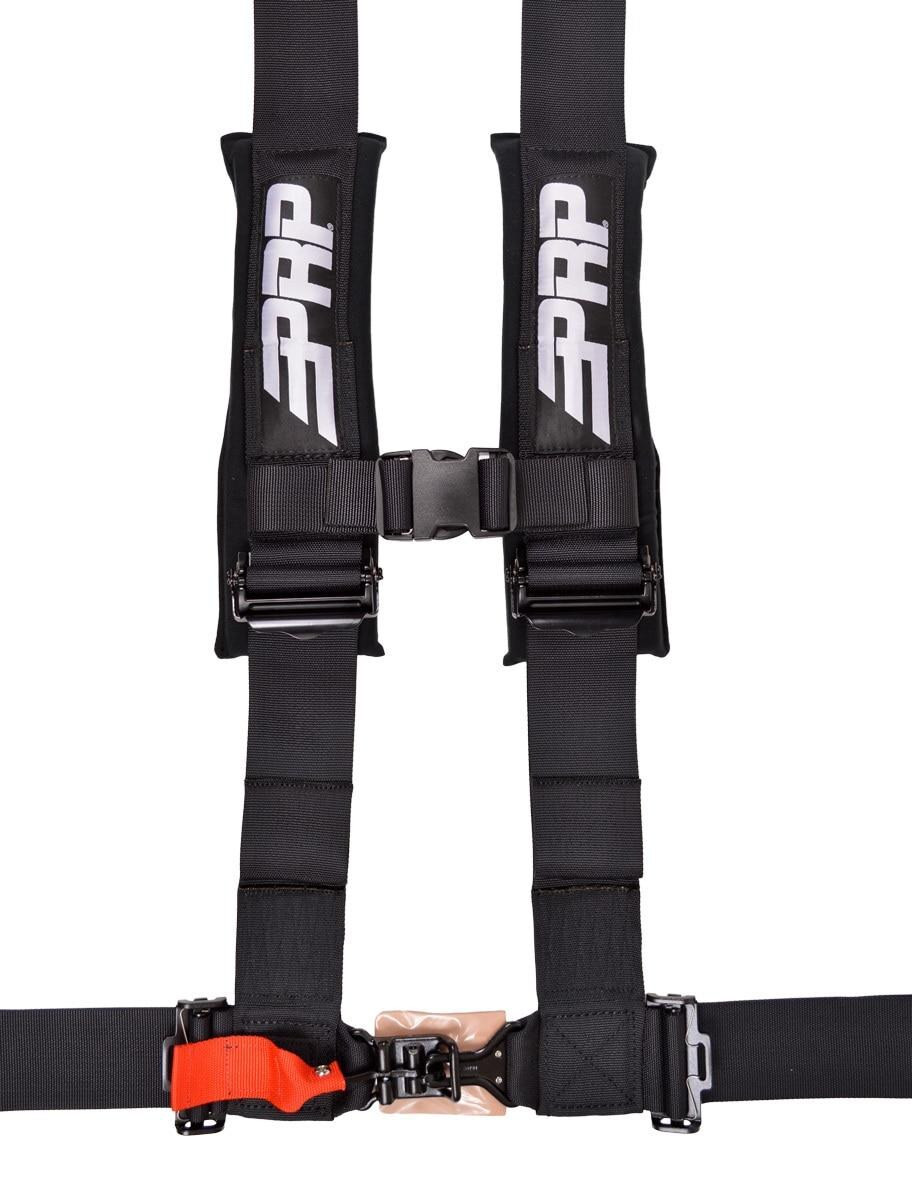
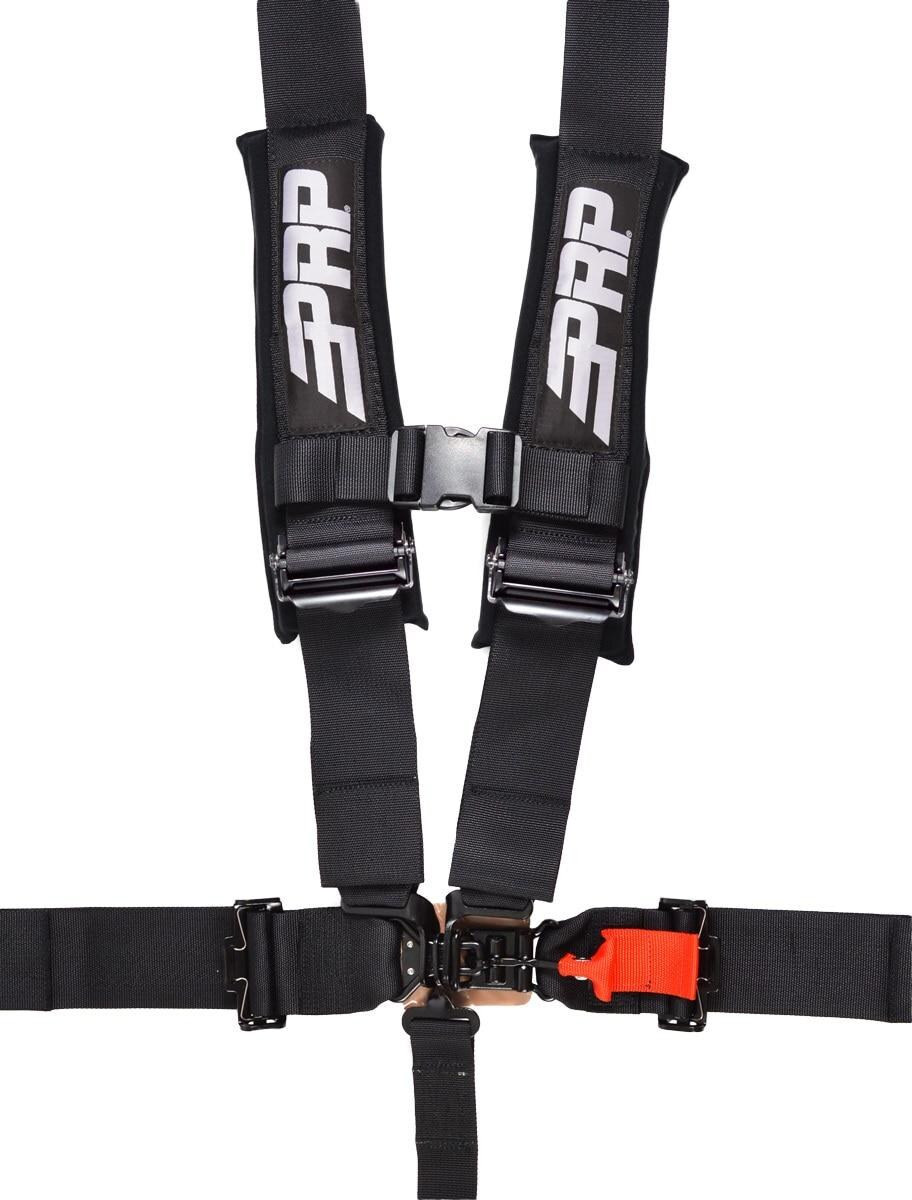
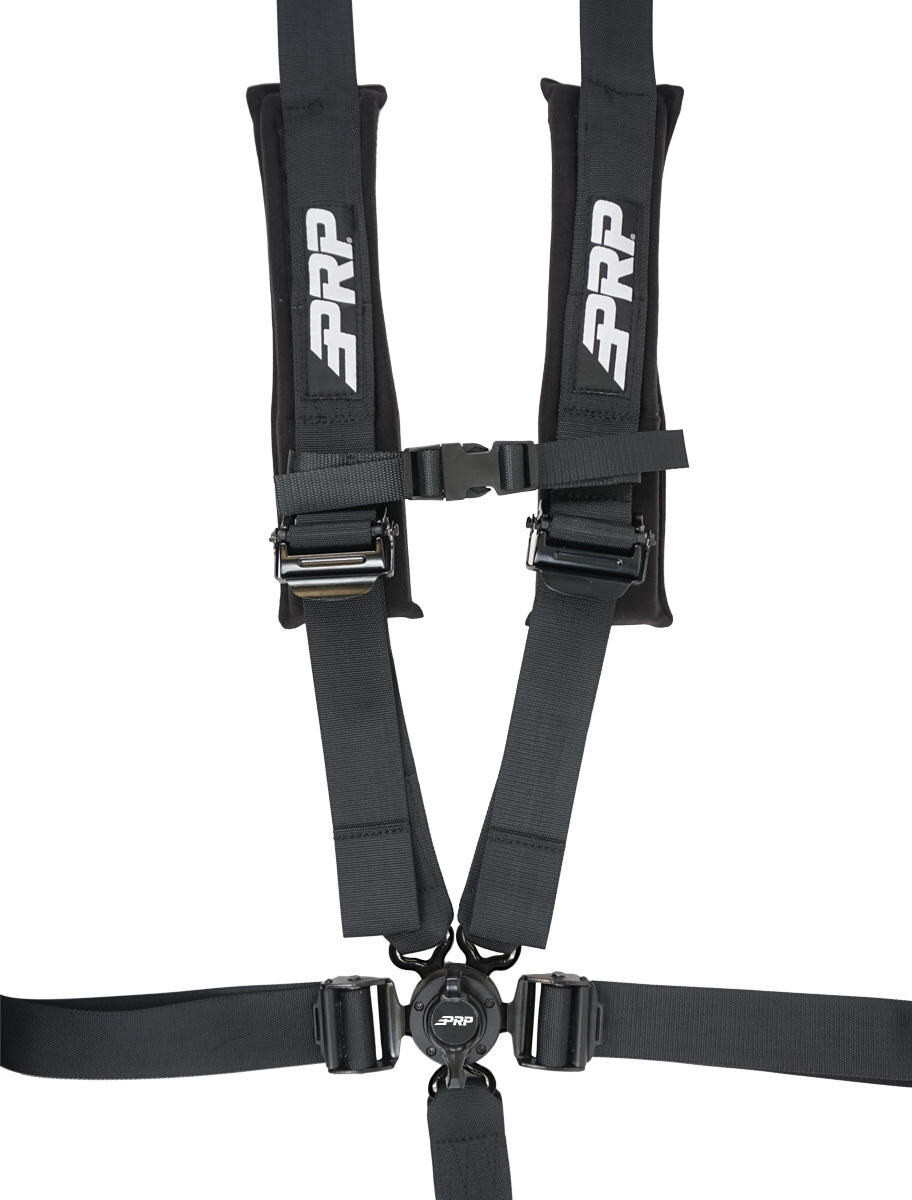
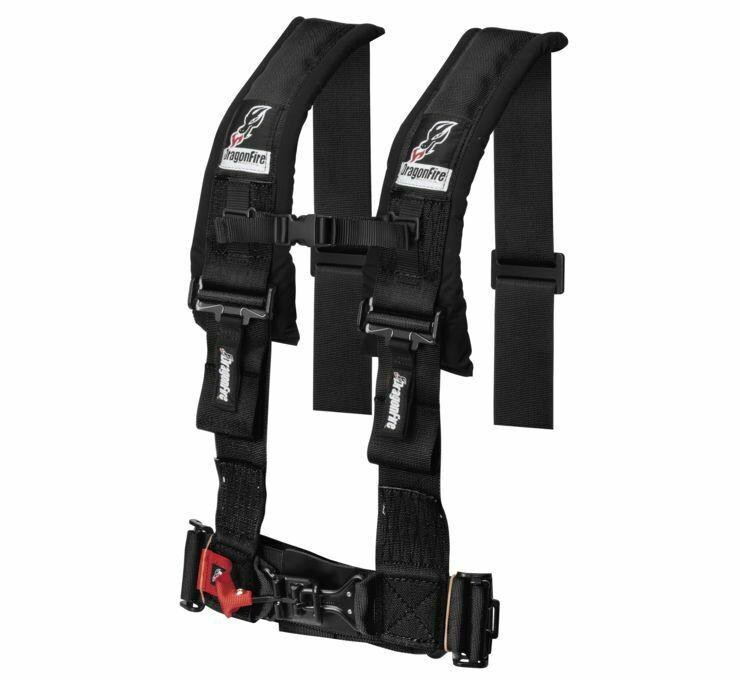
A 4-point adds two shoulder belts to the lap belt — four total mounting points. A 5-point adds a fifth strap, the anti-submarine strap, that runs from the lap-belt buckle down between the rider’s legs. The sub strap prevents the rider from sliding under the lap belt during a hard frontal impact (“submarining”), which is why every major sanctioning body requires a 5-point for racing.
Do I need an SFI 16.1 harness for trail riding?
No. SFI certification is a sanctioning-body requirement, not a federal one. Trail and recreational riders can run any harness they like, certified or not. SFI 16.1 (or 16.5) only matters when you enter a closed-course race that requires it.
What is the difference between SFI 16.1 and SFI 16.5?
Both are SFI Foundation specifications for racing seat-belt restraints. SFI 16.1 webbing is tested to 6,300 lb on the lap and shoulder belts and 1,500 lb on the anti-submarine strap. SFI 16.5 raises that bar to 7,000 lb across all webbing and adds an adjuster micro-slip test and a webbing abrasion test. 16.1 is the dominant spec in UTV racing; 16.5 is more common in pro stock-car racing. Check your sanctioning body’s rule book before you buy.
How long do UTV harnesses last? When do I have to replace them?
An SFI-certified harness must be replaced no later than two years from the date stamped on the SFI tag — not from the date you bought it. After that date, the harness is no longer eligible for use in any SFI-sanctioned event. Non-SFI harnesses don’t carry an expiration tag, but webbing degrades from UV, salt, and abrasion regardless of certification. Inspect for fraying, fading, and stiff webbing every season and replace when in doubt.
2-inch or 3-inch belts — which is better?
3-inch belts spread impact load across more of the chest and shoulder, which most riders find more comfortable on long days. 2-inch belts pair more cleanly with HANS-style head-and-neck restraints because the narrower webbing doesn’t bunch over the device’s tether posts. If you run HANS or plan to, choose 2-inch. If you’re a trail or recreational rider with a helmet only, 3-inch is the comfort pick.
What is the difference between auto-latch, latch & link, and cam-lock buckles?
Auto-latch is the click-in buckle your truck uses — one push of the release button and the strap pops free. Latch & link is the universal racing buckle: each strap clips into a center plate with a hinged latch. Cam-lock is the highest-end race buckle — all five straps go into one rotating cam buckle and release together with a single twist. Casual riders pick auto-latch for ease. Racers pick latch & link for tradition and tunability. Pros and HANS users pick cam-lock for single-handed egress speed.
Can I use my factory seat-belt sensor with an aftermarket harness?
It depends on the machine. Some Polaris, Honda, and Can-Am UTVs cut throttle or throw a dash warning when the OEM seat belt isn’t latched. The fix is a small bypass plug (Tusk makes one for $11.99) that tells the ECU the OEM belt is buckled while you actually wear the aftermarket harness. Other machines simply chime without cutting power. Check your owner’s manual or call our team if you’re unsure about your specific platform.
Do I need a harness bar to install a 4-point or 5-point harness?
You need a structural mounting point at or slightly below shoulder height. Most modern UTV cages already have a rear cross-bar at the right height — in which case the harness wraps around it or bolts in. Older Rangers and any machine without a rear cross-bar will need a dedicated harness bar (Tusk, Madigan Motorsports, and others sell them). Don’t mount shoulder belts to thin-gauge sheet metal, ROPS uprights, or anything else that wasn’t engineered for impact loading.
Should I run the same harness for the passenger as the driver?
Yes — in nearly every case. Both seats see the same impact loads, and most sanctioning bodies require matching certifications front and rear. The exception is mixed-skill family riding, where the driver runs the upgraded harness and the passenger keeps the OEM lap belt. That’s acceptable for casual trail use, not for sanctioned events.
What harness does UTV Source recommend for my kid?
For a kid riding shotgun, the PRP 4.2 Auto Buckle is our default recommendation: it operates exactly like the seat belt in mom’s minivan, so a younger rider already knows how to release it under stress. Pair it with a rear seat booster sized to the kid’s height and weight. For dedicated youth UTVs (RZR 200, Ace, etc.), call our team — some platforms have factory-specific harness solutions that fit better than universal aftermarket options.