Editor’s Choice
TMW Pro R Dominator Cage
Race-bred hybrid sport / desert geometry for the Polaris RZR Pro R. Bolt-on at factory cage-mount points, 1.75″ DOM tubing, integrated whip + light tabs.
See PickBolt-on, FastBack, race-spec, and stock-profile replacement cages from the brands UTV builders actually run — matched to your machine, riding style, and build budget. The setups our product team would weld their own seats into.
Four UTV roll cage builds covering the buying scenarios our product team sees most often. Every pick bolts on at OEM cage-mount points, uses industry-standard 1.75″ DOM tubing, and ships with the chassis-specific hardware and brackets needed for a clean install. Finishing the safety triangle? Add a fitted bucket from our best UTV seats guide.
Race-bred hybrid sport / desert geometry for the Polaris RZR Pro R. Bolt-on at factory cage-mount points, 1.75″ DOM tubing, integrated whip + light tabs.
See PickFrom the Baja-winning Geiser race shop. 2-seat Can-Am X3 bolt-on with race-spec tube geometry and the brand pedigree that competition builders look for.
See PickDune-style fastback profile for the huge Polaris RZR XP 1000 / Turbo / Turbo S installed base. Lowered roofline, whip + roof tabs, aggressive look.
See PickOEM-engineered cab-only replacement. Keeps stock doors, roof, and accessory compatibility — the no-modification upgrade path.
See PickFive roll cage builds curated from the brands UTV builders actually run — TMW Offroad, Geiser Performance, VooDoo Riders, and Pro Armor. Each pick is in-stock, bolts on at OEM cage-mount points, and covers a different scenario from $1,799 stock-profile cab cage to $2,700 dune fastback.
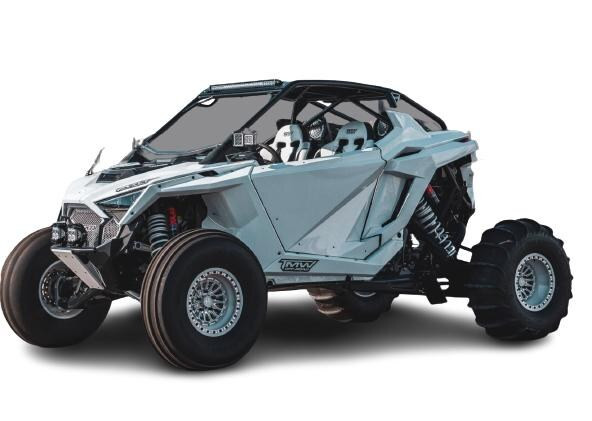
TMW Offroad’s Dominator is the cage we put on the cover. Race-bred geometry, 1.75″ DOM tubing, and a hybrid profile that sits between a pure sport cage and a full desert build — lower than stock for a tighter look, but with the bracing to handle real punishment. Bolts on at OEM cage-mount points (no welding, no chassis modification), comes prepped with whip and light bar tabs, and TMW supports it with the deepest Pro R-specific accessory ecosystem we carry: roofs, doors, intrusion bars, harness bars all built around the same cage.
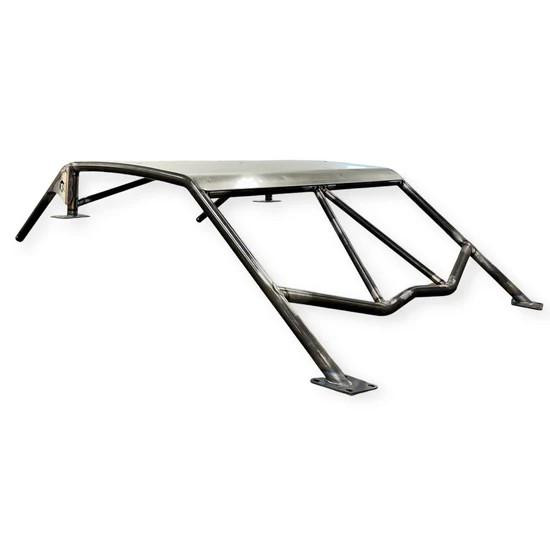
Geiser is the race shop behind some of the winningest Trophy Truck and UTV chassis in Baja and BITD competition — when you see a Class 1 or Trophy Truck rig taped together in the desert, there’s a non-trivial chance Geiser fab is on it. Their X3 Bolt-on cage carries that pedigree into a 2-seat Can-Am Maverick X3 cage you can install at home: 1.75″ DOM tubing, race-spec geometry, full triangulation, and bolt-on installation at OEM cage-mount points so you don’t need a fabricator to drop a welder on your chassis. The premium-end pick for X3 builders who want the brand pedigree without committing to a full weld-in.
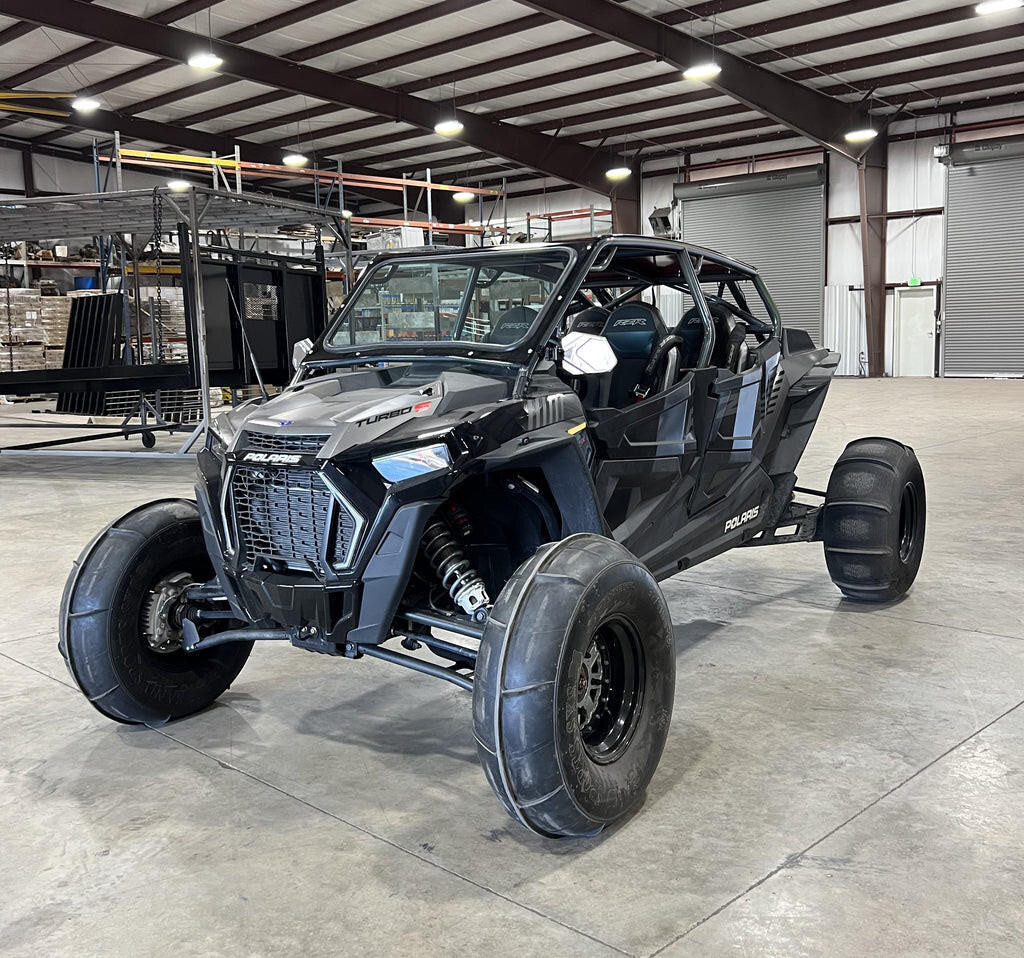
The fastback profile is the dune-style cage — lowered roofline, aggressive rear angle, integrated whip tabs and aluminum roof option that turns a daily-driver XP into a Glamis-ready 4-seater. VooDoo Riders fits all three Polaris XP-platform variants (XP 1000, XP Turbo, Turbo S) on one cage, which is why this is the workhorse 4-seat replacement for the giant installed base of these machines. Bolts on at OEM cage-mount points. Pair with the brand’s aluminum roof and door kit for a complete fastback build.
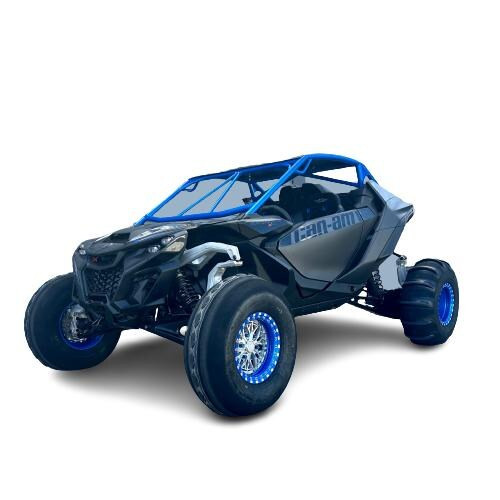
The Maverick R is Can-Am’s newest halo platform (240 hp Rotax triple, 7-speed DCT, industry-first 6x139.7 bolt pattern, 25″ suspension travel), and the aftermarket cage market for it is still being built out. TMW Offroad shipped early with a bolt-on 2-seat full cage at sub-$2K — the most accessible upgrade path for the platform. Race-bred TMW geometry, 1.75″ DOM tubing, integrated tabs for whips and lighting. If you bought a Maverick R and want a real cage upgrade before the Geiser version arrives in stock, this is the answer.
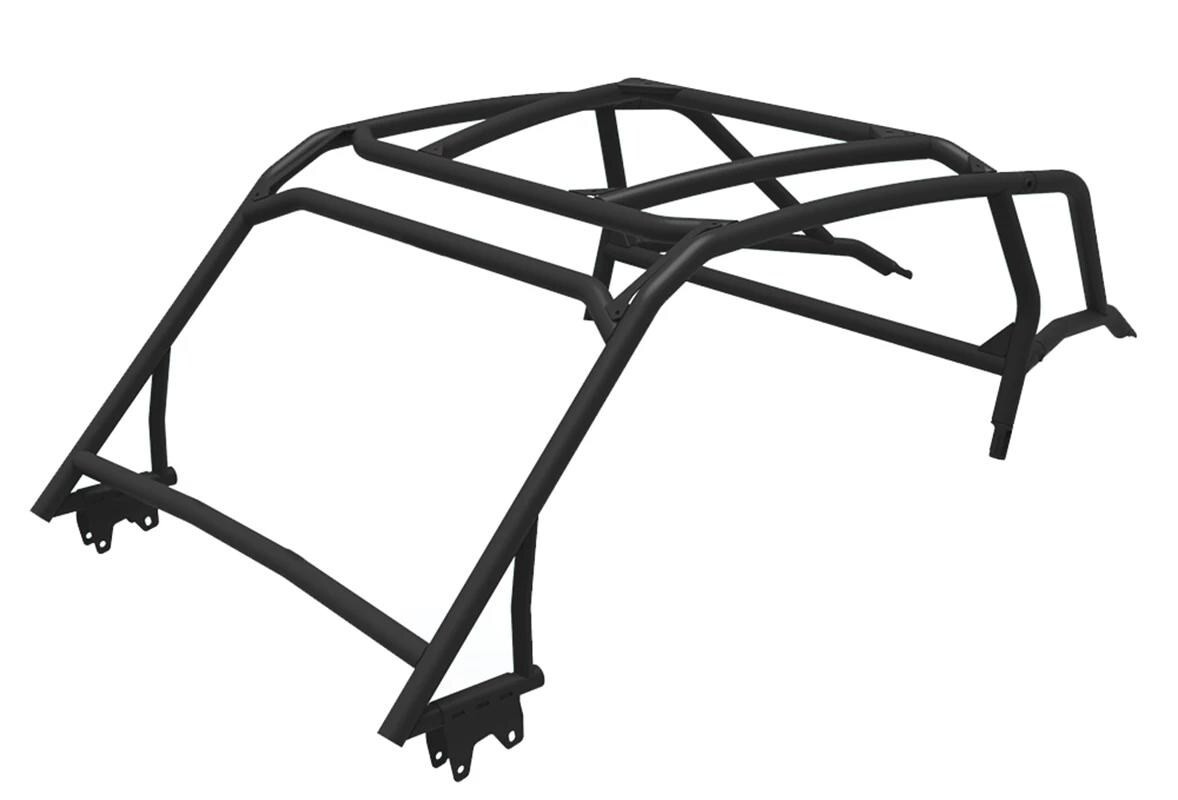
Pro Armor is Polaris’ own performance brand, which means the engineering team building this cage is the same team that engineered the chassis it bolts to. The Cab Only Cage (no intrusion bar) is the cleanest upgrade for the 2024+ RZR XP family: it replaces the cab structure while preserving every OEM door, roof, windshield, and accessory mount on the machine. No need to source a separate set of doors. No questions about windshield fit. The trade-off is that it’s a stock-profile replacement, not a styling change — if you want a fastback or desert look, pick one of the cages above. If you want a stronger cage with zero compatibility friction, this is the answer.
Cages are chassis-specific by design. The right cage for a Pro R isn’t the right cage for a Maverick R or a KRX. Below are tier-labeled picks for the seven sport / dune platforms with deep aftermarket cage coverage in the BC catalog — Premium, Value, and Budget per machine. Utility platforms (Ranger XP 1000, Defender) don’t have meaningful aftermarket bolt-on cage options at this build — OEM cab handles the duty cycle — so they’re covered in the Find Your Fit tiles below.
Polaris’ long-travel halo platform — 225 hp NA four-cylinder, 29″ of front travel. Cage shopping here splits between race-pedigree builders (Geiser) and dedicated Pro R bolt-on packages (TMW Dominator). FastBack style (VooDoo) is the budget-tier styling pick.
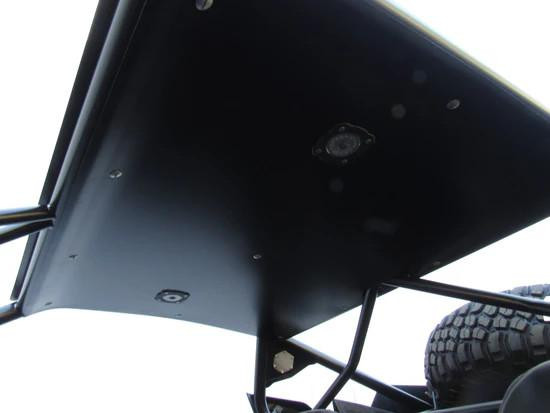
$2,649
Race-shop pedigree applied to the Pro R chassis — for builders who want the brand name carried over from the Baja Trophy Trucks Geiser builds.
$2,125
Hybrid sport / desert geometry, 1.75″ DOM, bolt-on at OEM mounts. The sweet-spot Pro R cage from the brand with the deepest Pro R-specific accessory ecosystem.

$2,250
Dune-style fastback profile for Pro R builders who want the lowered roofline + dune-trip look.
Workhorse sport platform with five years of installed base. Cage shopping splits between stock-profile cab replacement (Pro Armor — keeps stock doors and roof) and full 4-seat fastback / aggressive builds (VooDoo). The Pro XP’s deep aftermarket ecosystem means almost any cage build path works here.

$2,600
VooDoo’s 4-seat Pro XP cage — dune-trip-ready, ships with whip tab prep, fits the broad XP-platform installed base.
$1,799.95
Polaris’ own performance brand — cab-only no-intrusion replacement that keeps stock doors, roof, and windshield compatibility intact. 2024+ RZR XP family fitment.
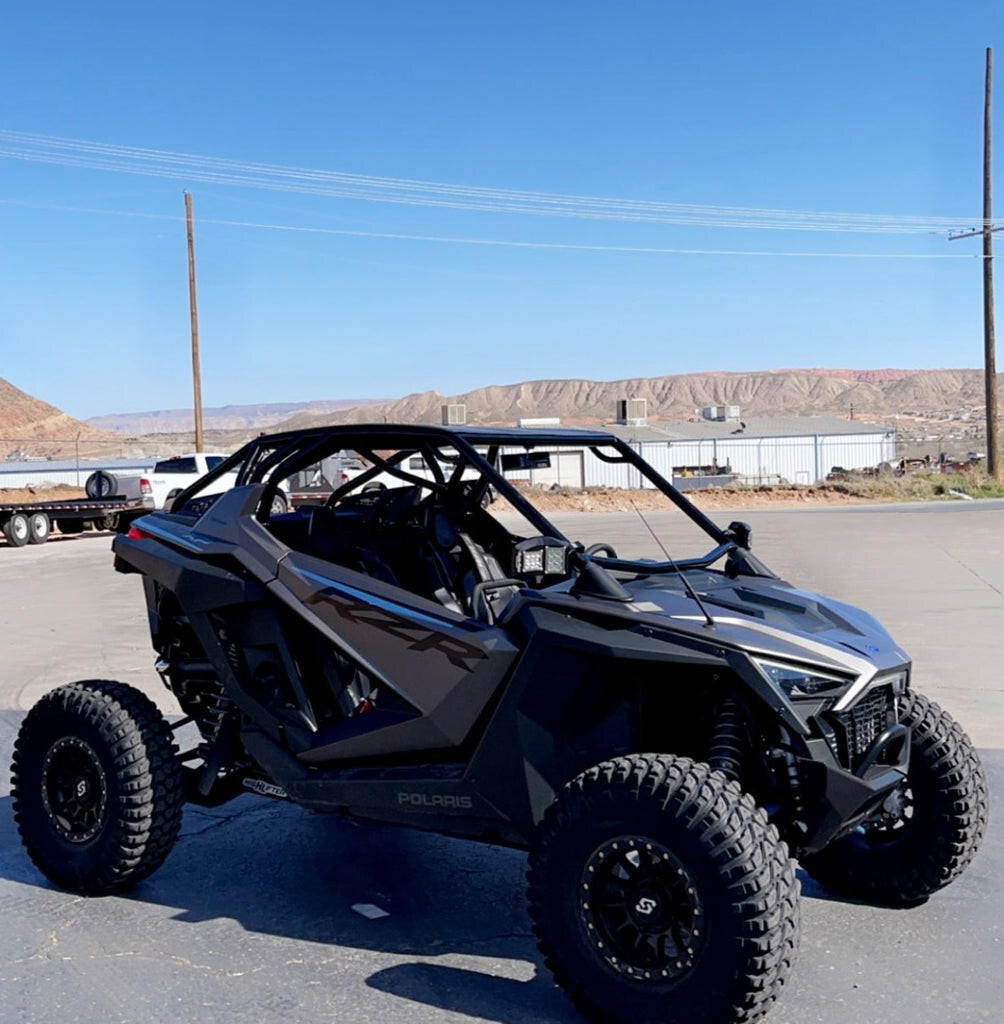
$1,500
2-seat VooDoo Pro XP cage at the entry tier — lowest-cost full cage upgrade for the platform.
Current-flagship turbo sport platform (181 hp ProStar triple). TMW makes a 2-seat, a 4-seat, and a Desert Series variant for Pro R / Turbo R that builders mix-and-match. VooDoo’s FastBack 2-seat is the budget styling option.
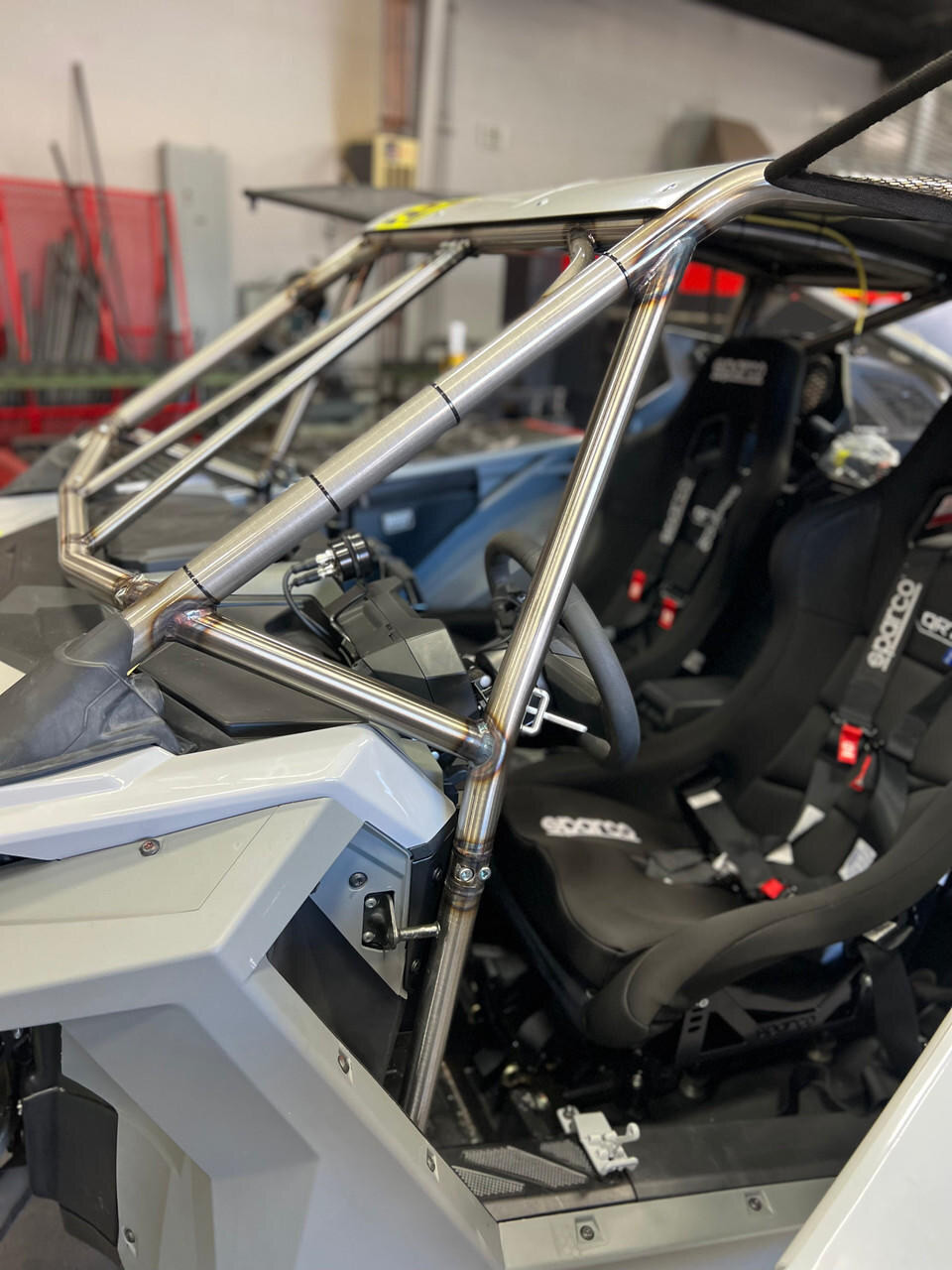
$3,165
Desert-spec TMW geometry for race-pace builds on the Pro R / Turbo R chassis. Top-spec TMW cage option.

$2,500
4-seat TMW cage built for the Turbo R platform — bolt-on at OEM mounts, hybrid sport / desert profile.

$1,600
FastBack style for the Turbo R at the entry tier — dune-style look without the full TMW premium.
The huge legacy Polaris XP installed base — one cage SKU often covers all three trims (XP 1000, XP Turbo, Turbo S). VooDoo Riders owns this segment with FastBack, Desert Style, and standard configurations across 2-seat and 4-seat layouts.
$2,700
FastBack 4-seat covering XP 1000 + XP Turbo + Turbo S on a single cage SKU. The dune-trip pick for the broad XP installed base.
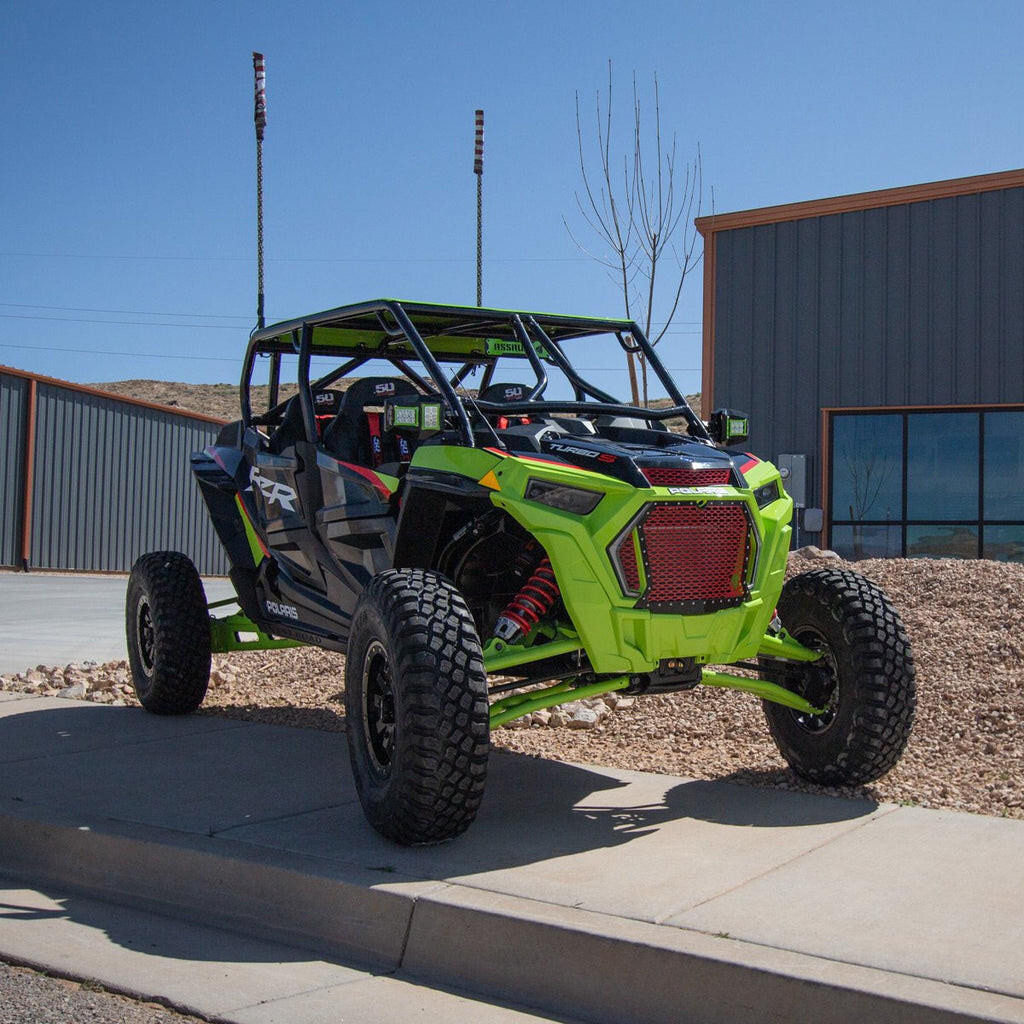
$2,600
Desert style cage on the same multi-trim XP fitment. Slightly different geometry than the FastBack — pick this for a more open, less lowered look.

$1,950
Standard 2-seat VooDoo XP cage at the entry tier. Covers XP 1000, XP Turbo, and Turbo S on one SKU.
The deepest aftermarket cage catalog on the Can-Am side. Race builders default to Geiser. Volume builders default to TMW. TMW also makes a Stealth 2-seat at the entry tier for X3 owners who want a full cage upgrade without the four-digit price tag.
$2,395
Race-shop pedigree, 1.75″ DOM, full triangulation. The X3 cage builders pick when brand reputation matters.

$2,475
4-seat TMW Stealth cage. Clean lines, bolt-on, all the practical X3 cage benefits without the Geiser premium.
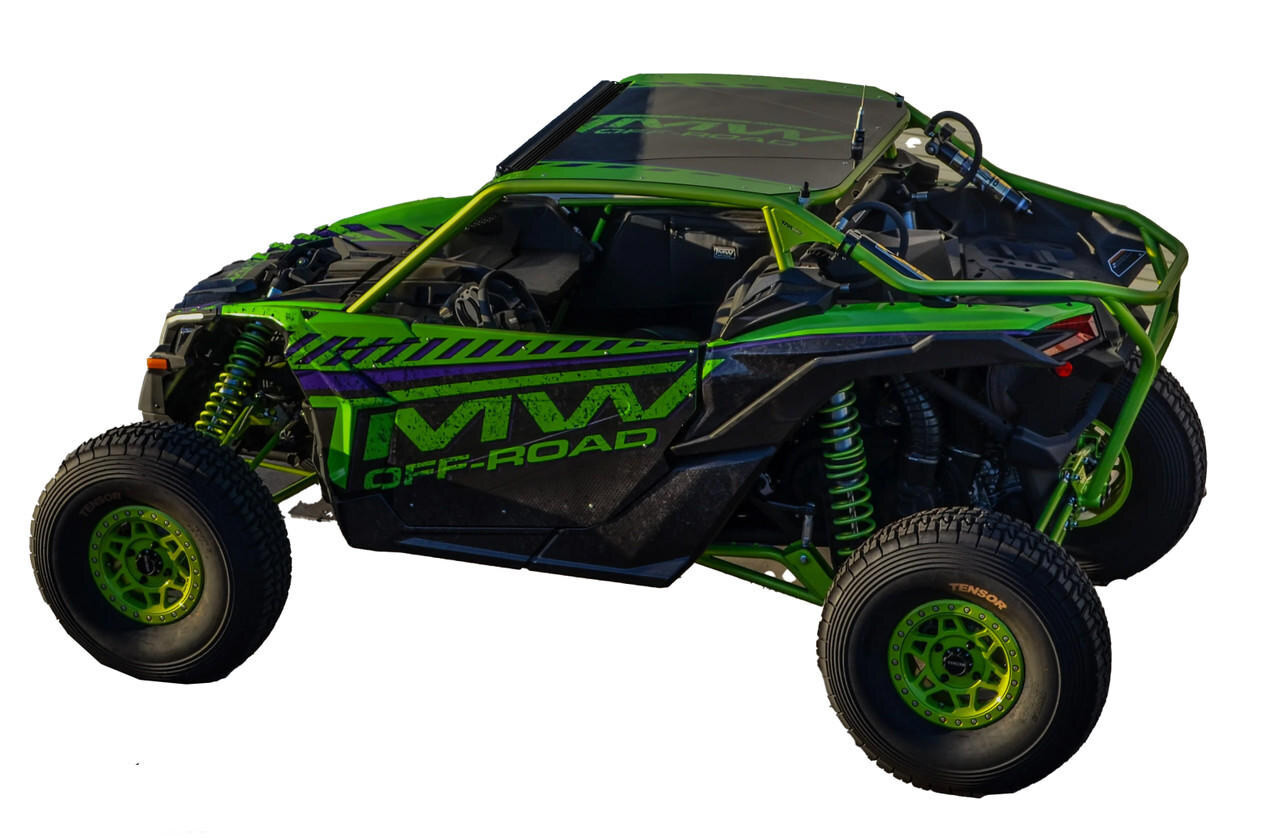
$1,650
Sub-$1,700 full X3 cage upgrade. The entry-tier pick for X3 builders who want a real cage without four-digit pricing.
Can-Am’s 240 hp / 7-speed DCT halo platform. The aftermarket cage market is still being built out, but the picks below are the three options carrying the load — Geiser (race pedigree premium), TMW Max Cage (value), and TMW standard (budget). Order early; Maverick R cage availability shifts quickly.
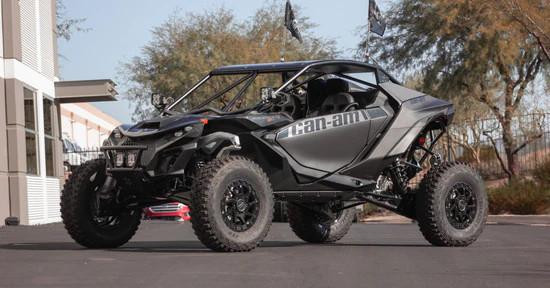
$2,849.95
Geiser race pedigree adapted to the Maverick R chassis — bolt-on, full triangulation, 1.75″ DOM.

$2,475
Max-coverage TMW build for the Maverick R chassis — more bracing than the standard, less than the race tier.
$1,900
Sub-$2K full cage replacement for the newest Can-Am sport platform. The most accessible Maverick R cage upgrade path.
The KRX platform has solid aftermarket cage coverage thanks to VooDoo Riders (FastBack 4-seat + standard 2-seat) and TMW’s newest Teryx H2 cage for the next-gen platform. Pick the FastBack for the dune build, the 2-seat for a workhorse upgrade, and the Teryx H2 cage if you’re on the newer chassis.

$2,700
4-seat VooDoo cage on the KRX platform — the dune-trip pick. Check sale pricing; this SKU has been on promotion recently.

$1,950
2-seat VooDoo KRX cage. The workhorse pick for KRX owners who want a real cage upgrade without the dune-build commitment.

$2,499
TMW Offroad’s newest cage built for the Kawasaki Teryx H2 platform. The first deep aftermarket cage option for the newer chassis.
Cages look similar in product photos but ride very differently on a real machine. The four specs that decide whether a cage is the right fit for your build are tube material + wall thickness, install method, geometry style, and chassis-specific compatibility — in that order.
DOM (Drawn Over Mandrel) steel is the industry standard for aftermarket UTV roll cages — uniform wall thickness, no welded seam, the right balance of strength, weight, and cost. 4130 chromoly is the premium material (lighter wall, higher strength-to-weight) used in race-spec builds. HREW (Hot Rolled Electric Welded) is the budget tier and should be avoided for any serious off-road use. Industry-standard tube OD is 1.75″, with .095″–.120″ wall thickness depending on the cage tier.
Bolt-on cages install at OEM cage-mount points using supplied hardware — no welder, no chassis modification, removable if needed. Weld-in cages fuse directly to the chassis for maximum structural rigidity but require a competent fabricator, take more shop time, and can’t be removed. Every cage in this guide is bolt-on, by design — that’s where most modern aftermarket builders land for retail-installable replacement.
Sport cages are a strength upgrade over the OEM cage with a similar profile — better protection, modest styling change. Desert cages add bracing, gussets, and triangulation for high-speed impacts. FastBack cages drop the roofline aggressively for dune builds — the most styling-driven geometry. Stock-profile replacements (Pro Armor cab cage) match OEM dimensions so every stock accessory still fits. Pick the geometry that matches how you actually ride.
Aftermarket cages are chassis-specific by definition — a Pro R cage will not bolt to a Maverick R, and an XP cage will not bolt to a Pro XP. Verify your machine’s exact year, model, and trim against the cage’s listed fitment. Some XP-platform cages cover multiple trims (XP 1000 + XP Turbo + Turbo S) but most do not. Also check for trim-specific limitations: doors, harness bar compatibility, and roof options often vary by cage manufacturer.
Four common UTV riding scenarios. Each maps to a different cage geometry, install path, and accessory ecosystem. Use this matrix to narrow the field before going deep on a specific brand or model.
Sustained high-speed competition where the cage needs full triangulation, race-shop pedigree, and tube specs that pass tech inspection.
FastBack profile, lowered roofline, integrated whip + aluminum roof prep. The dune-style cage that turns a stock RZR into a Glamis-ready 4-seater.
Mixed-use recreation builds — you want a real strength upgrade and integrated accessory tabs but don’t need full race spec.
You want a stronger cage, but you don’t want to replace your doors, roof, or windshield. OEM-engineered cab replacement is the path.
Cage swaps are bigger than mirror swaps. The five checks below cover the most common avoidable returns and re-orders — chassis-spec confirmation, accessory compatibility, hardware audit, install setting, and torque-pattern execution. Walk through these before the cage ships.
Run through these five before adding to cart. The cage will arrive in a freight crate weighing 200–300 lb — this is a one-shot install where most returns trace back to skipping a spec check at the order stage. Our tech line is happy to verify fitment against your VIN.
Talk to a TechCages are chassis-specific. A Pro XP cage will not bolt to a Pro R, and an XP Turbo cage may or may not cover the XP 1000 depending on the brand. Verify the cage product page’s listed years and trims against your machine. Some XP-family cages cover three trims on one SKU (VooDoo XP 1000 / Turbo / Turbo S); most do not. Pro R and Turbo R sometimes share cages via the “Pro R / Turbo R” family fitment language (TMW Desert Series).
Aftermarket cages don’t always accept OEM doors, roofs, or windshields. Pro Armor’s OEM-engineered cab cage is the exception (keeps all stock accessory fitment). For everything else, plan the doors / roof / windshield / harness bar upgrade as part of the same order — or pick a cage from a brand with a deep matching accessory ecosystem (TMW is strongest here). If you have an existing harness bar, confirm the new cage’s mounting tabs are compatible.
Cage swaps are a 4–8 hour job on a clean shop floor with a second set of hands and proper jack stands. You’ll need standard sockets, a torque wrench, ratchet straps to hold the new cage in position during initial bolt-up, and access to the OEM cage-mount points on the chassis. DIY is feasible for experienced builders. Otherwise budget $500–$1,500 for professional install at a UTV shop.
200–300 lb freight shipments can take freight damage. Inspect tube straightness, weld quality, and mounting tab alignment before you start the install. Quality cage builders (TMW, Geiser, VooDoo, Pro Armor) all stand behind their product if it ships damaged, but the time to file a claim is at delivery, not three weeks later when you discover a tube doesn’t line up.
Cage bolts must be tightened in the manufacturer’s specified sequence and to spec torque. Skipping this or random-pattern tightening leads to misaligned tubes and uneven load distribution. Re-torque after the first 100 miles — standard practice for any cage swap. Document with photos in case any warranty claim becomes necessary later.
Cages are chassis-specific. Land directly on the cage subset filtered for your machine so you’re one click from add-to-cart. Utility platforms (Ranger, Defender, Pioneer) have minimal aftermarket bolt-on cage coverage today; the tile links shop the broader cages catalog so you can verify what’s in stock for your build.
For most riders pushing past casual trail riding, yes. Aftermarket cages use larger tubing, thicker walls, and design geometry tuned for the specific stresses of off-road competition or recreation. The trade-off is cost ($1,500–$5,000+ before install) and that aftermarket cages can affect your OEM warranty — manufacturers may not cover damage that can be traced to the structural modification. Read our deeper editorial breakdown in the UTV Roll Cage Comparison Guide.
Sport cages are a strength upgrade with a profile close to the OEM cage — better protection without dramatic styling change. Race cages add maximum bracing, triangulation, and tube material upgrades for high-speed impacts in competition; they often must meet specific sanctioning-body specs (SCORE, BITD, Ultra4). FastBack cages drop the roofline aggressively for dune-style builds — the most styling-driven geometry, popular for RZR XP and Turbo R Glamis builds. The TMW Dominator falls in the “hybrid sport/desert” bucket, the Geiser X3 is race-spec, and the VooDoo XP / Turbo S 4-Seat is the canonical FastBack pick.
DOM (Drawn Over Mandrel) steel is the industry standard for aftermarket UTV cages — uniform wall thickness, no welded seam, and the right strength-to-cost balance. Chromoly (4130 alloy) is the premium choice for race-spec builds: lighter for the same strength, but more expensive and requires TIG welding. HREW (Hot Rolled Electric Welded) has a seam that creates a weak point under sustained load and shouldn’t be considered for serious off-road builds. Industry-standard tube OD is 1.75″, with .095″ to .120″ wall thickness depending on the cage tier and use case.
For most buyers: bolt-on. They install at the chassis’ OEM cage-mount points using supplied hardware, can be done at home with standard tools, take 4–8 hours, and can be removed if needed. Every cage in this guide is bolt-on. Weld-in cages fuse directly to the chassis for maximum rigidity but require a competent fabricator, a clean shop with a welder, take 1–3 days of labor, and can’t be removed without cutting. Weld-in is the right call only for dedicated race chassis with a sanctioning-body spec sheet and a fabricator already engaged.
Installing an aftermarket cage is considered a structural modification by most OEMs. The Magnuson-Moss Warranty Act protects you from blanket warranty voids, but manufacturers can deny coverage on any damage that can be reasonably tied to the modification (e.g., chassis damage from a rollover where they argue the cage didn’t perform as expected). Polaris’ own Pro Armor cab cage is the path if maintaining warranty coverage matters — same brand, no third-party modification argument. For all other paths, expect to lose warranty coverage on anything cage-adjacent and plan for that risk.
SFI certification applies to specific racing organizations and classes; what’s required varies by sanctioning body (SCORE, BITD, Ultra4, etc.). Most off-the-shelf bolt-on UTV cages are not SFI-certified out of the box because SFI is a more rigorous, weld-spec-specific certification. If you’re planning to race, contact your sanctioning body directly and work with a chassis fabricator who can build to the class spec — don’t assume a bolt-on retail cage will pass tech inspection at a sanctioned event. Geiser Performance, Madigan Motorsports, and similar shops build race-spec chassis to order; that’s the right path for sanctioned competition.
Bolt-on cage install at a UTV shop typically runs $500–$1,500 depending on the cage complexity, your local labor rates, and whether you’re bundling door / roof / harness work into the same job. Weld-in cage builds are much more — $2,000–$5,000+ in labor on top of the cage cost itself, because the build takes a competent TIG welder 2–3 days with a chassis on jacks. Plan for powder-coat or paint after the build if you want a finished look ($300–$800 typical).
Utility platforms (Polaris Ranger XP 1000, Can-Am Defender, Honda Pioneer) have minimal aftermarket bolt-on cage coverage in the current catalog. The OEM cab on a utility machine is built for the duty cycle these platforms see, and aftermarket cage builders focus most of their R&D budget on sport platforms where speed and impact loads justify the cage investment. SuperATV makes a Ranger Rear Roll Cage Support for the platform (UTVS0011822) and a few utility-specific support brackets exist, but full-replacement aftermarket bolt-on cages are rare for utility machines. If you have a Ranger or Defender, the Find Your Fit tiles above shop the broader cages catalog so you can verify what’s in stock for your build.
Sometimes yes, often no. Pro Armor’s OEM-engineered cab cage explicitly maintains OEM door, roof, and windshield fit — that’s its whole pitch. Aftermarket FastBack and desert cages typically change the roofline geometry enough that OEM accessories no longer fit, so you’ll need to source matching aftermarket doors / roof / windshield from the same cage brand. TMW Offroad has the deepest matching accessory ecosystem; VooDoo, Geiser, and CageWRX have their own ecosystems too. Plan the cage + accessories as one order, or pick the Pro Armor route if accessory compatibility is the priority.
As of this build, the three Maverick R cages with availability are Geiser Performance ($2,849.95, premium race-pedigree pick), TMW Offroad Max Cage ($2,475, value pick with extra bracing), and TMW Offroad standard 2-Seat ($1,900, budget pick). The Maverick R aftermarket ecosystem is newer than the X3 or Pro R ecosystem, so cage availability and accessory compatibility shift fast — check our Best by Vehicle Maverick R section above for the current build state. For most Maverick R owners, the TMW 2-Seat at $1,900 is the easiest entry point; race builders should look at Geiser.
Shop the full UTV roll cage catalog, browse matching aftermarket doors and harnesses, or talk to a UTV Source tech to confirm chassis fitment and accessory compatibility for your build.