GMRS vs Business Band Radios for UTV Owners: How to Choose the Right Setup | Rugged Radios
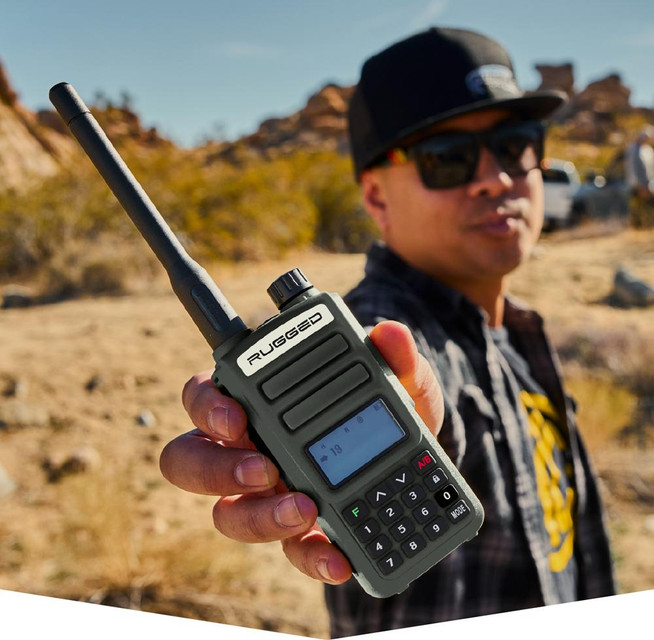
Staying connected on a ride is more than a convenience. It is how you keep your group together, call out hazards, and get everyone back to camp at the end of the day. Rugged Radios has two main two way radio paths that cover most UTV use cases, GMRS and Business Band.
On paper they can look similar. Both offer clear, reliable communication. Both have FCC rules to follow. The big questions are usually the same.
Do you need a license. Which one reaches farther. Is Business Band only for race teams.
Let’s walk through the basics in UTV terms and help you match the right Rugged Radios system to how and where you ride.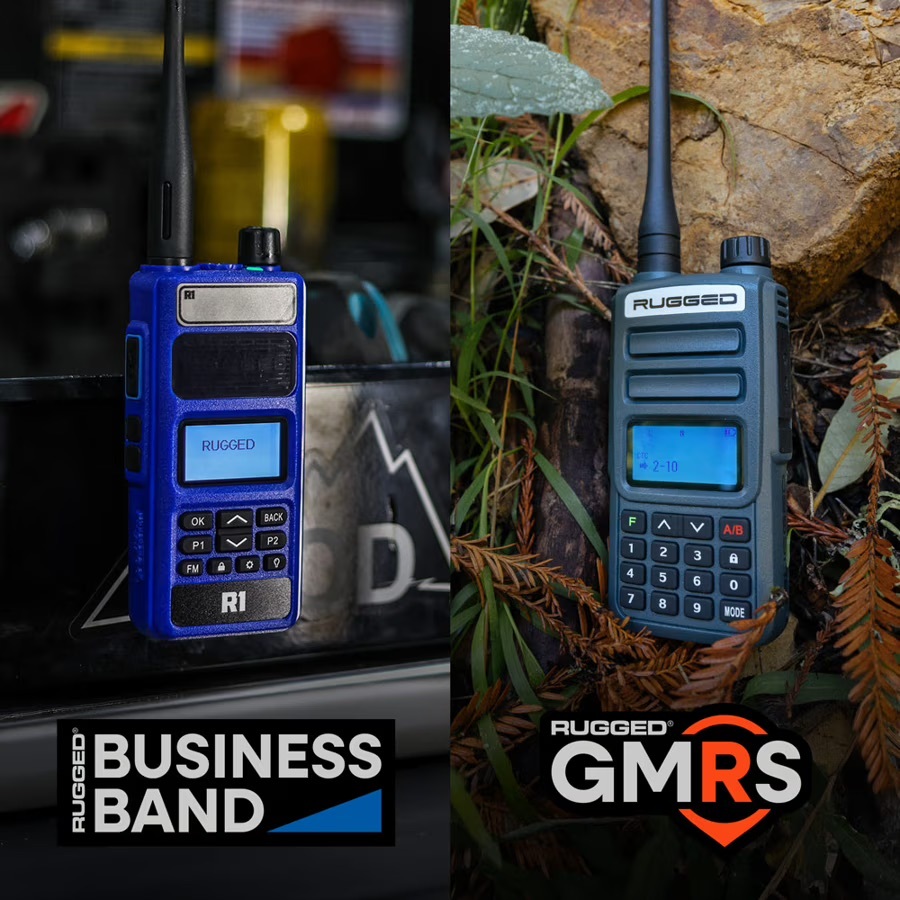
What Is Business Band
Business Band is a licensed radio service built for organizations that need consistent, interference managed communication. Think race teams, sanctioned off road organizations, construction crews, school districts, security teams, or event staff.
A Business Band license is tied to a business or organization, not to a family. It is usually coordinated so your frequencies do not conflict with other license holders in the same area. Licenses typically run for 10 years and are set up through the FCC with the help of a frequency coordinator.
For UTV owners, Business Band is common in professional or semi professional environments. Desert race teams, chase trucks, and organized events that need long range communication across wide open terrain rely on VHF Business Band a lot.
What Is GMRS
GMRS stands for General Mobile Radio Service. It is a two way radio service in the United States regulated by the FCC. You do need a license, but it is very simple to get online, costs around 35 dollars, and is valid for 10 years.
One of the biggest advantages of GMRS is how the license works. A single GMRS license covers your entire household. Everyone in the family can legally use the radios without separate fees, which is a big reason GMRS has become so popular for recreational riders.
For UTV owners, GMRS is a go to choice for group trail rides, weekend trips at the dunes, and casual riding with friends and family.
GMRS vs Business Band:
Key Differences
Here is a quick side by side look at how the two services compare.
| Feature | GMRS | Business Band |
|---|---|---|
| FCC License | Required, covers one household | Required, tied to a business or organization |
| Typical Cost | About $35 for 10 years | Higher and varies, usually coordinated through FCC frequency services |
| Who It Is For | Families, riding buddies, personal and recreational use | Companies, race teams, organized groups, industrial and commercial use |
| Frequencies | UHF (462–467 MHz) | VHF or UHF, depending on the system |
| Best Use Cases | UTV trail rides, wooded trails, mountains, canyons, mixed terrain | Wide open desert, dry lakebeds, race environments, professional operations |
Start With Your Riding Group
The most important question is simple.
Who are you trying to talk to.
GMRS and Business Band are not compatible. If your friends or local club use only one service, matching their setup matters more than small technical differences.
How to tell what your group is running
-
If the radio display shows channel numbers, it is usually GMRS.
-
If the radio screen shows named channels like “Weatherman” or “BFG Relay,” that points to Business Band.
If your riding group is already invested in one type of radio, stay with that. A GMRS radio will not talk to a Business Band radio, and there is no legal way to use a single radio for both services, even if the hardware can technically tune both ranges. Radios must be type accepted for the service they are used in.
Some riders who bounce between multiple groups simply carry one radio for each service.
New To Off Road Communications
If you do not have a regular group yet and you are new to radios, GMRS is usually the easiest place to start.
Why GMRS works well for new UTV owners:
-
Simple online license process, no test, one fee covers the whole family.
-
Handheld radios are easy to use and pack in any rig.
-
Mobile units paired with a good Rugged antenna can provide solid range for most trail rides.
Typical GMRS range:
-
Handheld radios usually cover around 1 to 3 miles, depending on terrain.
-
Mobile radios in a UTV with a quality antenna can reach 5 to 10 miles or more in good conditions.
-
GMRS repeaters can extend coverage even farther in certain areas.
GMRS radios can also communicate with basic FRS walkie talkies on shared channels. This lets you talk with riders using inexpensive “box store” radios, while still getting more power and better performance from your Rugged GMRS setup.
VHF vs UHF For Different Terrain
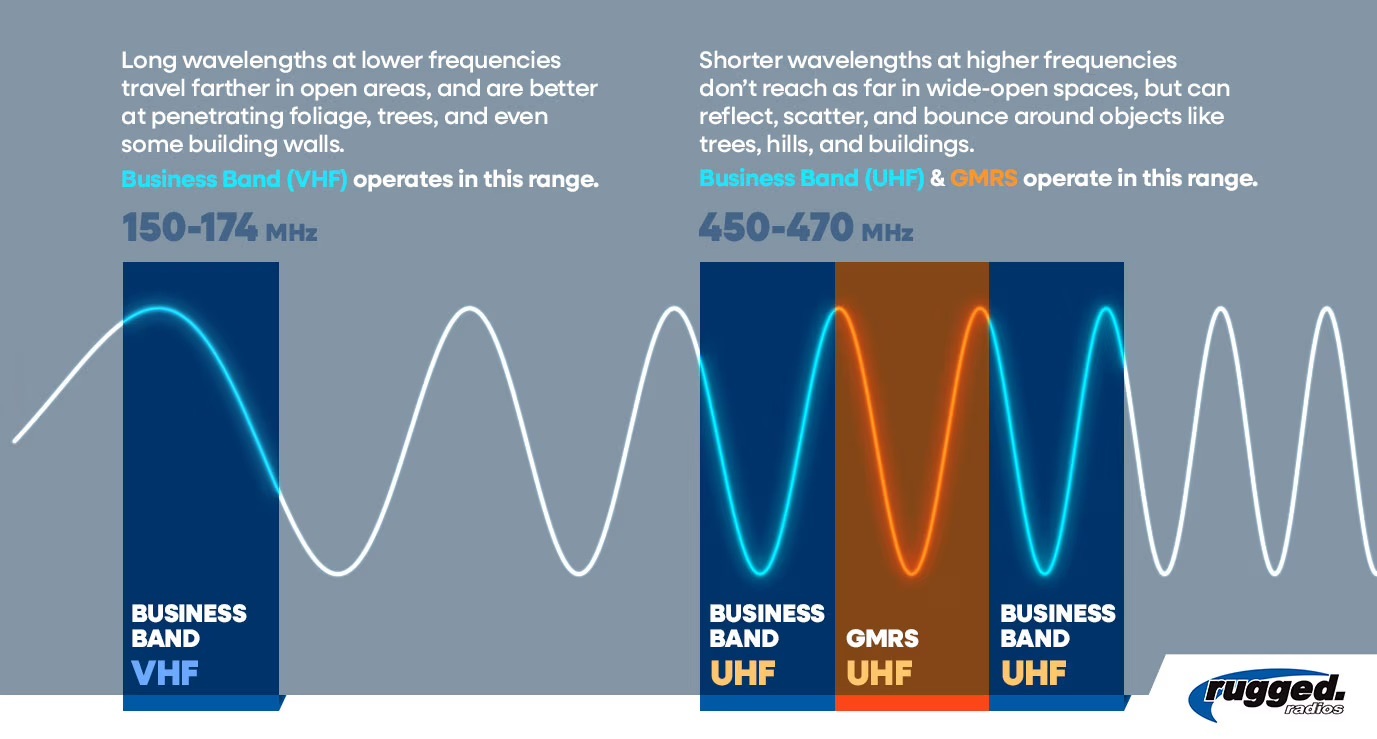
Both GMRS and Business Band can use UHF. Business Band can also use VHF. Knowing the difference helps you match your Rugged system to where you ride.
-
UHF (Ultra High Frequency)
Used by GMRS and many Business Band UHF systems. UHF does well in areas with obstacles such as dense trees, canyons, or buildings. It can bounce around terrain and still give useful coverage. -
VHF (Very High Frequency)
Used by Business Band VHF systems. VHF shines in wide open spaces like big deserts and dry lakebeds where line of sight can go a long way.
For dunes such as Glamis or Dumont, riders often lean toward UHF because the rolling terrain and bowls create more obstacles. In those conditions UHF tends to hold up better from car to car.
At events on large lakebeds, like King of the Hammers, VHF can really stretch out, often reaching long distances across flat terrain when properly set up.
Business Band Radios In UTV Use
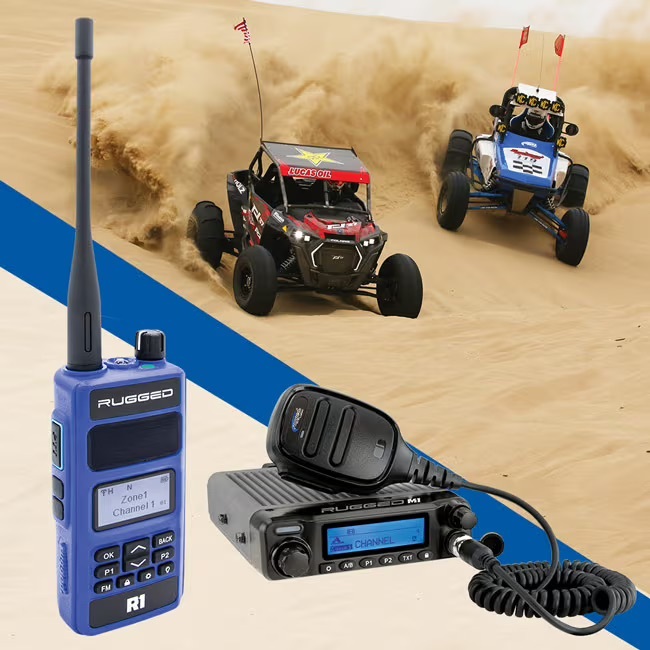
Business Band radios from Rugged Radios are common wherever communication is part of the job or the race plan.
Typical Business Band use cases include:
-
Race teams and chase vehicles
-
Organized desert rides and off road events
-
Wide open desert and dry lakebeds
-
Commercial, industrial, and municipal operations
Business Band is designed to work with other VHF business band radios that share the same frequencies, including popular models from Rugged Radios and other brands in the professional space.
Because this service is licensed and coordinated, it is important to follow the FCC rules for your area and license.
GMRS Radios In UTV Use
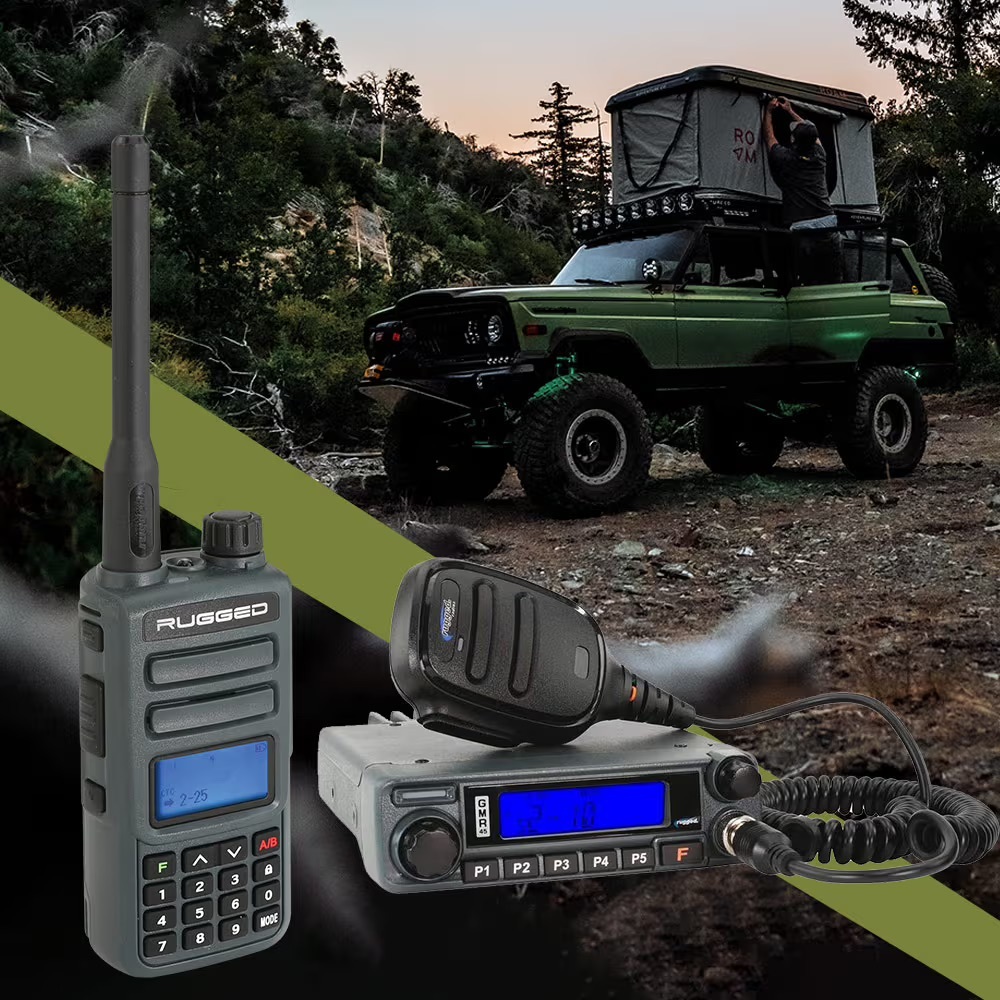
GMRS radios from Rugged Radios are tuned for recreation and personal use.
Common GMRS use cases:
-
UTV recreation and weekend group rides
-
Jeep and overland trips
-
Mountain and forest riding areas
-
Camping and multi day adventures with friends and family
Rugged GMRS mobile radios will communicate with GMRS and many FRS handhelds on the shared channels. They are also repeater compatible, which can help extend your range when repeaters are available.
A GMRS license is still required to operate these radios. The process is straightforward and is handled directly through the FCC.
How To Choose Your Rugged Radios Setup
When you are ready to buy radios for your UTV, take a minute to think through three questions.
-
Who do you ride with.
Match the service your group already uses so everyone stays on the same page. -
Where do you ride most.
-
Dunes, tight canyons, woods, or around town point toward UHF and GMRS for many riders.
-
Open desert, lakebeds, and race environments often favor VHF Business Band.
-
-
How serious is the use case.
-
Family rides, casual meetups, and club runs are usually well served by GMRS.
-
Race teams, organized events, and business operations often require Business Band licenses and equipment.
-
Both services are powerful tools when used correctly. GMRS is a great fit for most UTV owners getting into radios for the first time. Business Band is a proven choice for long range communication in professional and race environments.
When you are ready to build out your system, UTV Source carries a full selection of Rugged Radios handhelds, mobile units, intercoms, antennas, and complete UTV kits.
You can shop Rugged Radios products here:
Shop Rugged Radios at UTV Source