UTV Drive Belts Explained, Maintenance, Replacement, and Choosing the Right Belt for Your Side by Side

Everything Side by Side, UTV, and SXS Owners Need to Know About CVT Belts, Performance, and Longevity
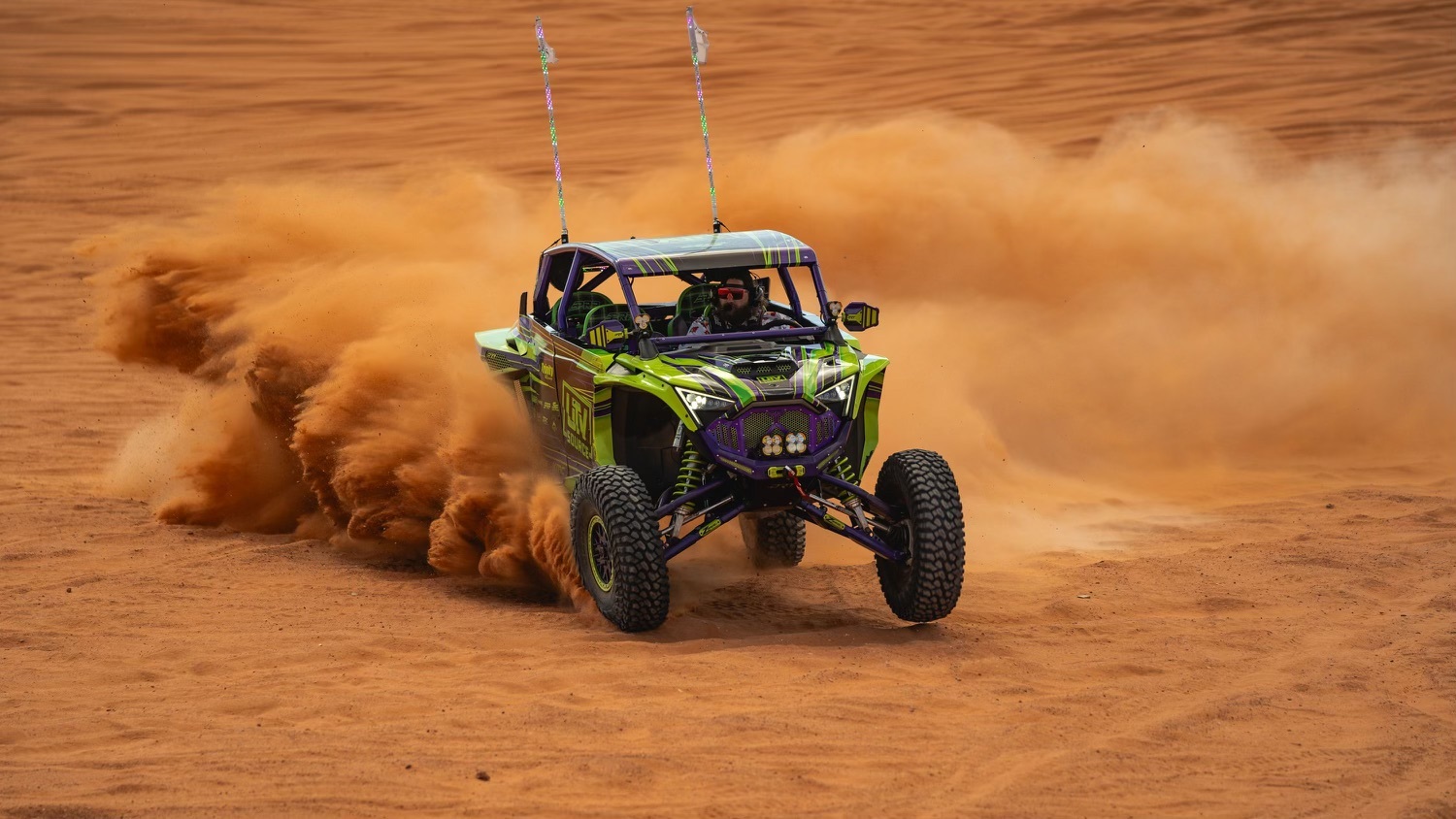
If there is one component that quietly carries the workload every time a Side by Side hits the throttle, it is the drive belt. This single part connects engine power to the wheels through the CVT system. Without it, your UTV or SXS is not moving. From crawling rocks to dune pulls to long trail miles with gear, the belt is constantly dealing with load, heat, and repeated engagement.
This guide breaks down how UTV drive belts work, what causes wear, what to look for, and how to keep belt life consistent. It also highlights belt options available at UTV Source from EVO Powersports, GBoost, Ultimax, Trinity Racing, Dynojet, and EPI Performance.
How UTV Drive Belts Work
Most modern Side by Side platforms use a CVT (Continuously Variable Transmission). Instead of fixed gears, the CVT uses two clutches connected by a belt:
- Primary clutch: driven by the engine
- Secondary clutch: transfers power to the drivetrain
- Drive belt: links the two clutches and carries the load
As RPM changes, the clutches shift their effective diameter, changing the “gear ratio” automatically. That is why a UTV can feel smooth from takeoff to top speed, and why the belt is one of the most important wear items to stay on top of.
What Causes UTV Belt Wear
Belts wear naturally, but certain conditions speed it up fast. Heat is the main enemy. Once the belt compound gets overheated, it can glaze, slip, and start shedding material.
- Excess heat: long pulls, deep sand, slow crawling, or heavy loads
- Aggressive throttle: repeated punch-outs and sudden engagement
- Added weight: cages, audio, spare tires, tools, and cargo
- Large tires: increases load and can change effective gearing
- Water or mud intrusion: contamination can cause slip and rapid wear
- Clutch calibration: worn clutches or mismatched weights/springs can chew belts
Signs Your Side by Side Belt Needs Replacement
A belt does not always give a warning, but most will show signs if you pay attention:
- Slipping or delayed acceleration
- High RPM with less forward movement
- Burning rubber smell after a hard pull
- Jerky engagement or inconsistent takeoff
- Visible cracks, glazing (shiny surface), fraying, or missing cogs
If you see damage, do not “send it” one more trip. A belt that starts slipping builds heat even faster, and failure tends to follow.
UTV Belt Maintenance Checklist
If you want belt life to be consistent, do these basics on a routine schedule:
- Inspect the belt: look for cracking, glazing, fraying, and uneven wear
- Check belt width: belts wear narrower over time, which changes the engagement
- Clean the clutch housing: dust and debris increase heat
- Inspect the clutches: worn sheaves, bad rollers, or sticky operation will eat belts
- Verify venting and seals: good airflow helps keep temps down
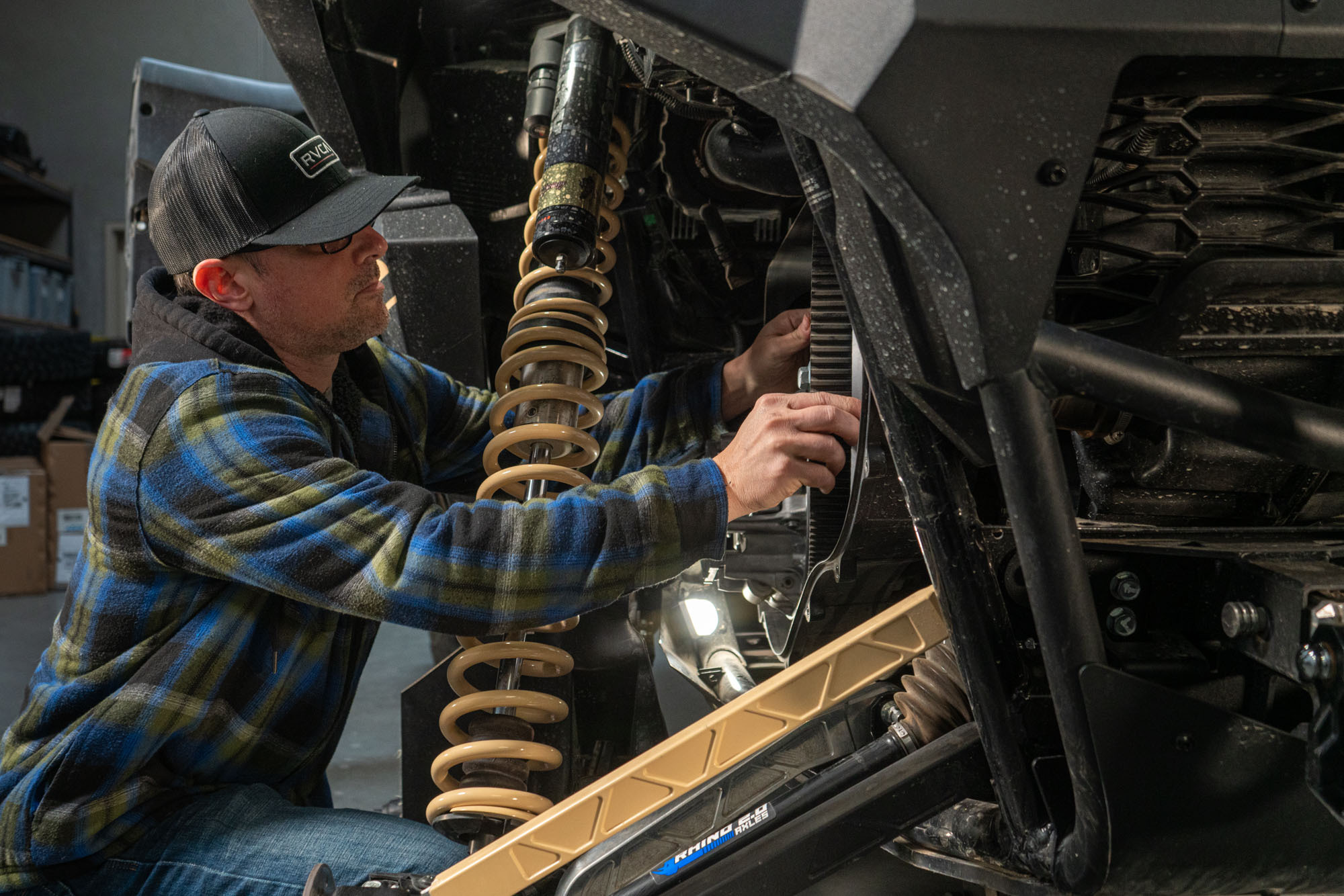
Pro tip: If your belt is getting hot often, you can also evaluate clutching, tire size, and how the machine is being driven in slow-speed, high-load situations.
Driving Habits That Extend Belt Life
- Warm it up: give it a minute or two before wide-open pulls
- Smoother throttle: less shock load equals less heat
- Use low range: crawling, steep climbs, deep sand starts, heavy loads, and towing
- Avoid riding the belt: stop-and-go on steep terrain can build heat quick
- Let it cool: after a hard pull, give it a moment before the next one
Why Performance Belts Matter
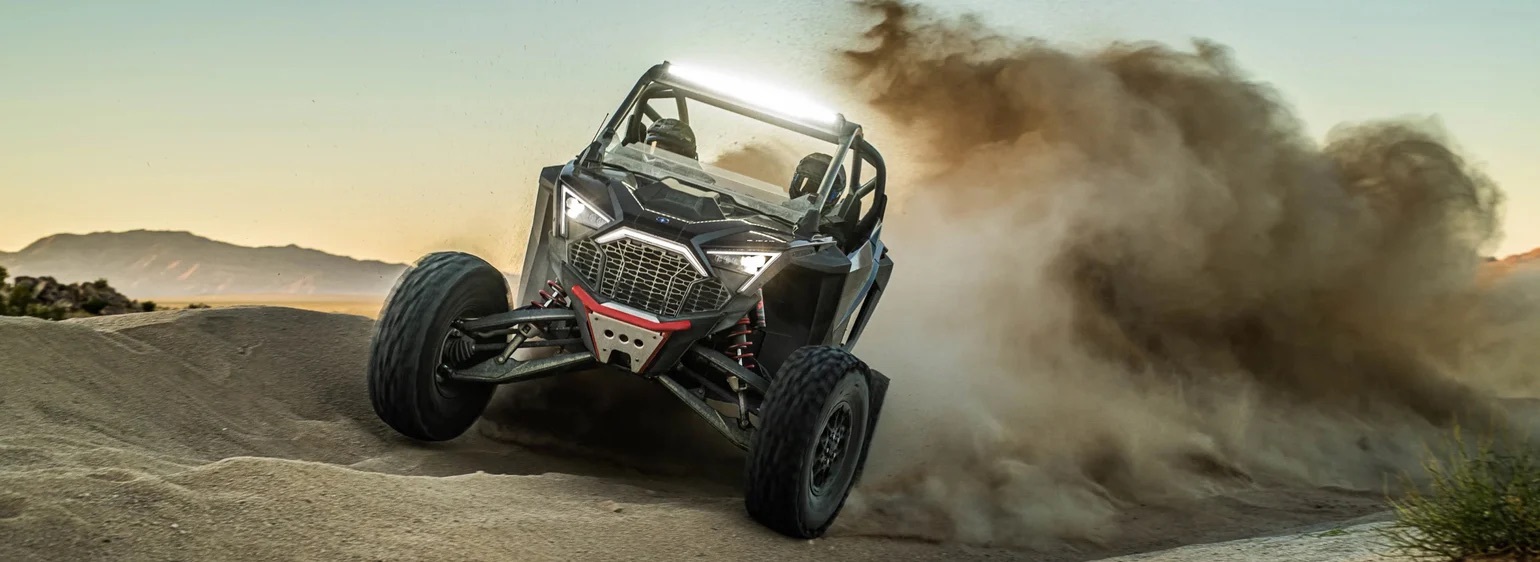
Factory belts are designed for general use. Performance belts are built for higher heat, higher load, and more consistent grip. If your Side by Side runs bigger tires, added weight, tuning, or sees a lot of sand and long climbs, a stronger belt can be a smart move.
Belt Options Available at UTV Source
Here are the belt families we offer and what they are known for. Always match the belt to your exact model and year.
EVO Powersports Belts

- Built for high horsepower and aggressive riding
- Heat resistant belt compounds
- High tensile strength construction
- Designed for consistent engagement
GBoost Belts
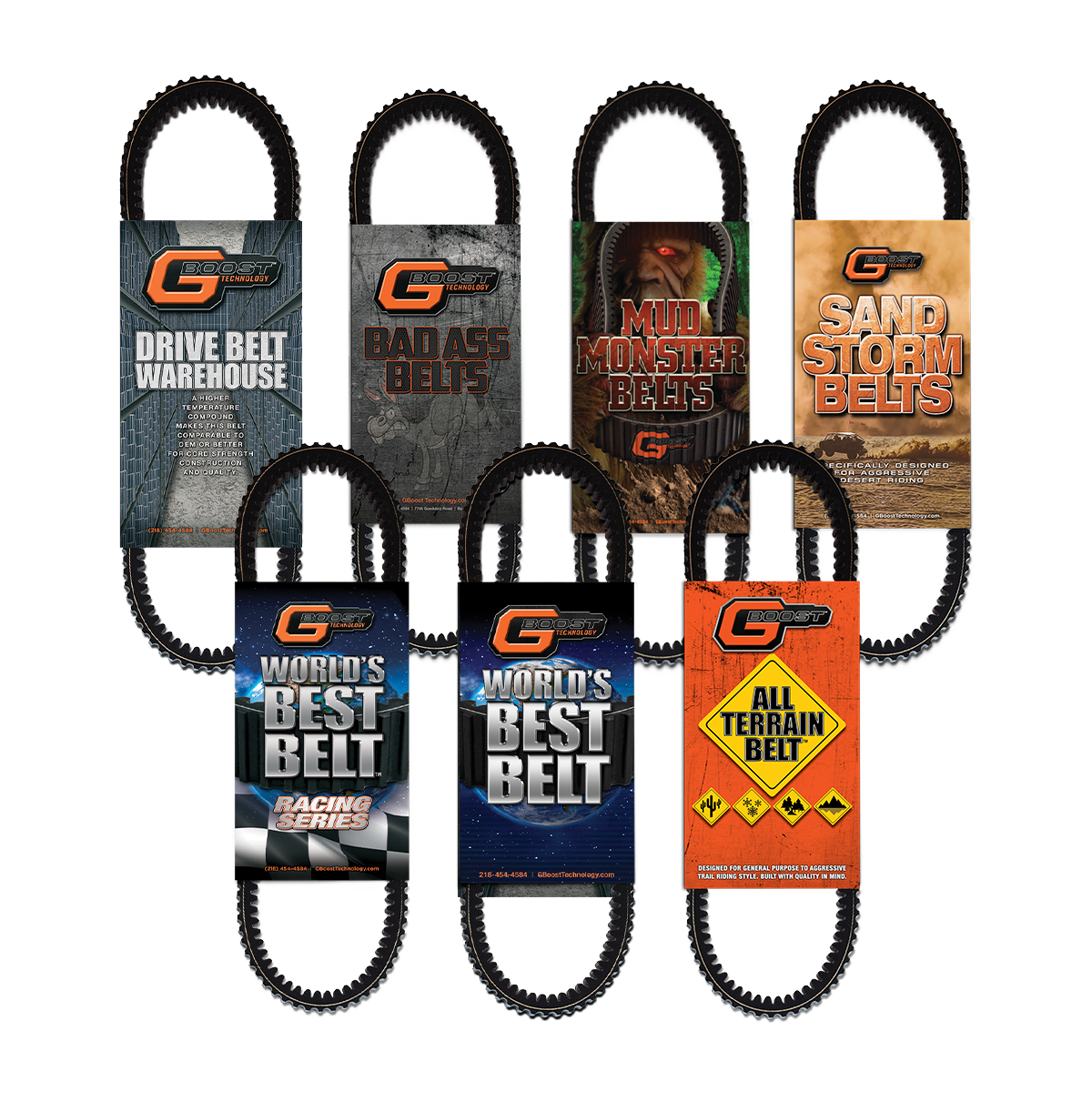
- Reinforced construction for durability
- Designed for demanding terrain and load
- Strong heat resistance for longer pulls
- Consistent power transfer characteristics
Ultimax Belts
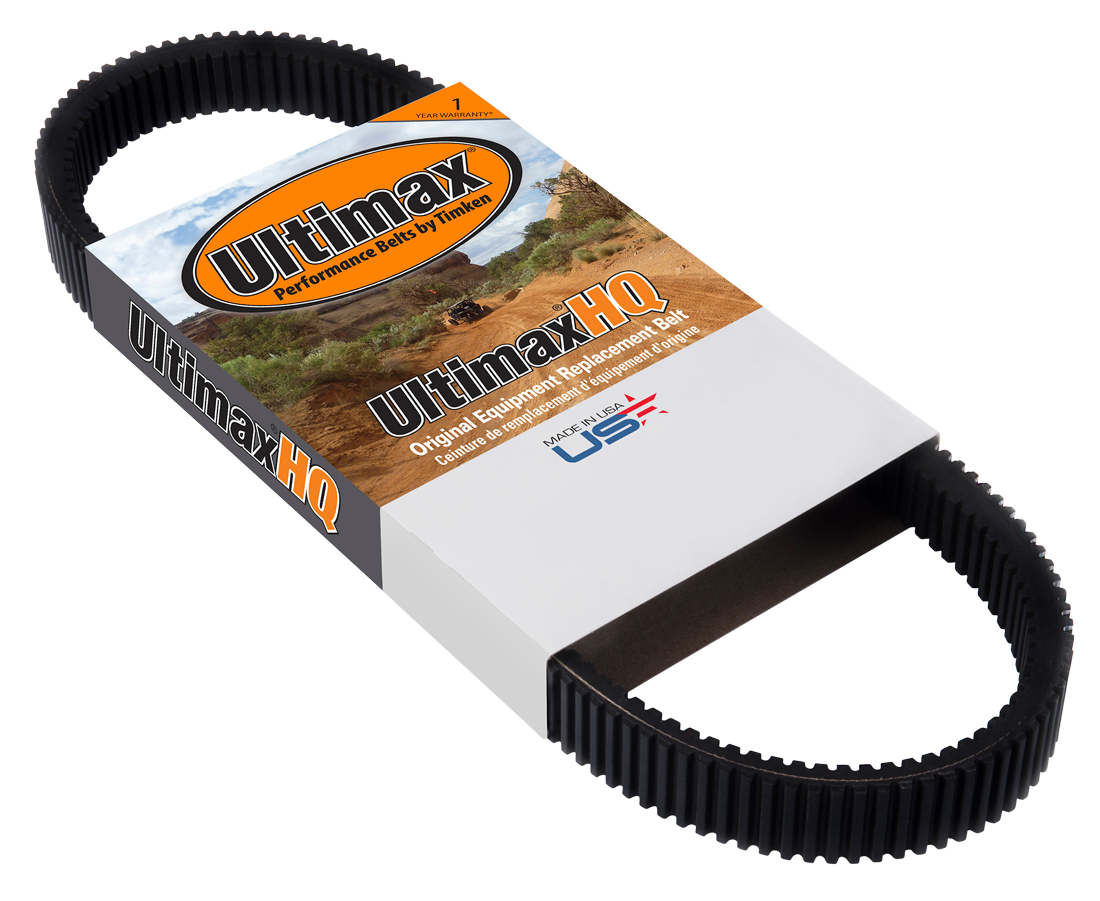
- Reliable belt performance across many platforms
- Heat resistant design for everyday riding
- Solid choice for consistent engagement
- Great option for riders wanting dependable value
Trinity Racing Belts
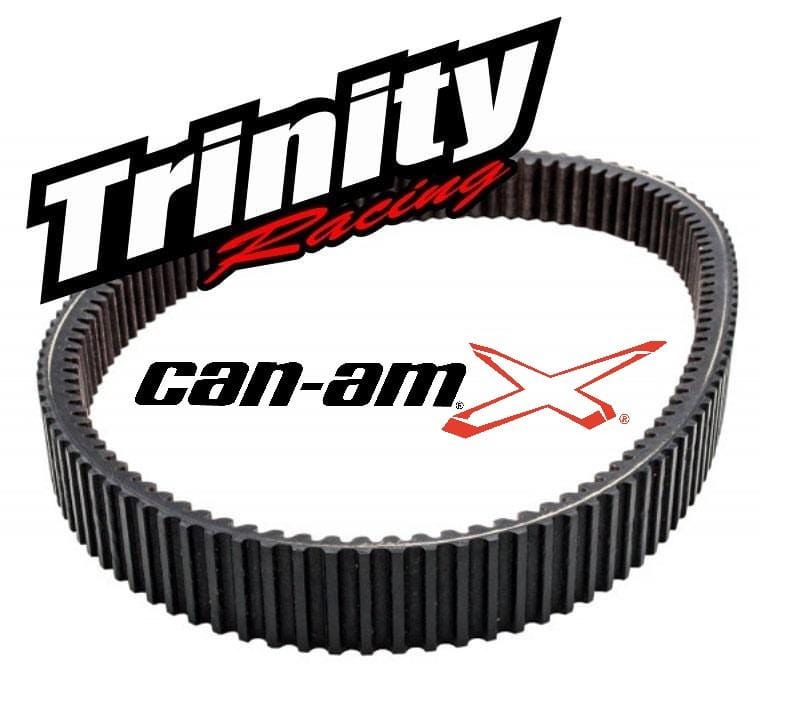
- Performance-focused belt design
- Built to handle higher output setups
- Heat resistance for aggressive use
- Strong grip under load
Dynojet Belts

- Designed to pair well with performance-minded setups
- Strong reinforcement for reliability
- Built for consistent power transfer
- Good choice for aggressive riding conditions
EPI Performance Belts
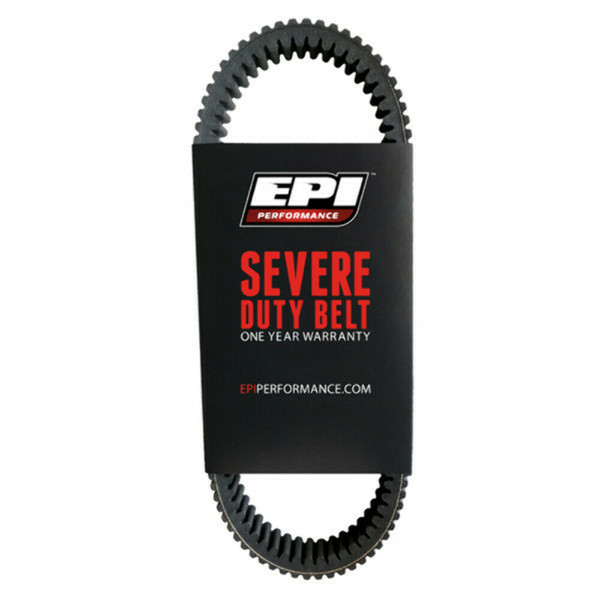
- Known for durability and smooth engagement
- Great fit for utility and recreational use
- Built to handle load and heat effectively
- Strong option for dependable replacement
When to Replace a UTV Drive Belt
There is no single interval that fits every rider. The best approach is inspect often and replace based on wear and abnormal performance feeling.
- Recreational riding: inspect every 300-500 miles
- Aggressive riding or sand: inspect every 200 to 300 miles
Replace: We like to replace the belt between 1,000 and 1,500 miles max, depending on wear. We take the precautionary approach to try and replace it before it has a chance to break.
Replace sooner if: glazing, cracks, fraying, slipping, or any sort of burnt smell shows up. If you smoke the belt replace it right away.
If your belt is consistently running hot, address the cause, not just the symptom. A fresh belt on a setup that is overheating will still die early.
Carry a Spare Belt, Always
Even a well-maintained Side by Side can toss a belt at the wrong time. If you ride remote trails, dunes, or big desert miles, carrying a spare belt is cheap insurance. Keep the tools needed to access the clutch cover, and practice the swap at home once so the trail version is not your first attempt.
Your drive belt is the link between horsepower and forward motion. Treat it like the wear item it is, inspect it, keep the clutch area clean, and match your belt to how you ride. With the right maintenance and a quality belt, your UTV or SXS stays more consistent in the dunes, on the trail, and everywhere in between.