Maxxis UTV Tire Comparison Guide 2026: Roxxzilla vs Carnivore vs Bighorn
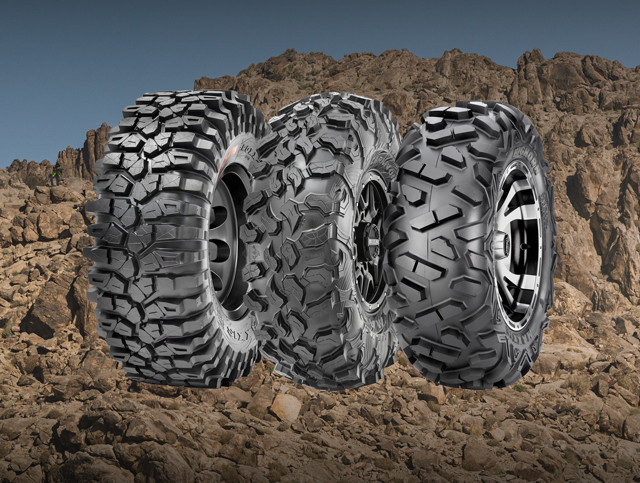
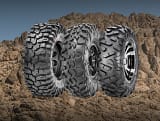
When it comes to choosing the right Maxxis UTV tires for your side-by-side, the decision often comes down to three heavyweight contenders: the Roxxzilla, Carnivore, and Bighorn. Each tire brings unique strengths to the table, whether you're conquering rocky trails, muddy terrain, or need an all-around performer for your Polaris RZR or Can-Am Maverick X3. This comprehensive comparison guide will help you understand the key differences between these popular Maxxis options and determine which tire best suits your riding style and terrain preferences.
Understanding Maxxis UTV Tire Technology
Maxxis has established itself as a leader in the UTV tire market by consistently delivering products that balance performance, durability, and value. Before diving into the specific comparisons of Roxxzilla vs Carnivore vs Bighorn, it's essential to understand what makes Maxxis tires stand out in the crowded aftermarket tire space.
The company utilizes advanced rubber compounds specifically formulated for UTV applications, ensuring optimal traction without sacrificing longevity. Their tread patterns are computer-designed and extensively tested in real-world conditions, from the rock gardens of Moab to the mud holes of the Southeast. This commitment to engineering excellence means that whether you choose the aggressive Roxxzilla, the versatile Carnivore, or the proven Bighorn, you're getting a tire backed by decades of off-road expertise.
Maxxis Roxxzilla: The Rock Crawling Champion
The Maxxis Roxxzilla represents the pinnacle of rock crawling performance in the Maxxis lineup. Designed specifically for extreme terrain and competition use, this tire features an ultra-sticky compound that provides exceptional grip on rock faces and challenging obstacles.
Key Features of the Roxxzilla
- Tread Design: Deep, widely-spaced lugs with reinforced sidewalls for maximum traction and puncture resistance
- Compound: Competition-grade sticky rubber that excels in rock crawling but wears faster on hardpack
- Ply Rating: 8-ply radial construction for durability without excessive weight
- Size Range: Available in 32" to 35" diameters to fit most performance UTVs
- Best For: Rock crawling, extreme terrain, competition use
The Roxxzilla's aggressive tread pattern features massive lugs that bite into loose terrain while the sticky compound grips rock surfaces like glue. The reinforced sidewalls provide additional protection against sharp rocks and allow for lower air pressures when needed for maximum traction. For more information on optimal tire pressures for different terrains, check out our guide on what air pressure to run in your UTV tires.
Performance Characteristics
On the rocks, the Roxxzilla truly shines. The sticky compound combined with the aggressive tread pattern provides confidence-inspiring traction on steep climbs and technical sections. The tire's ability to conform to irregular surfaces helps maintain contact patches even on challenging angles. However, this specialized design comes with trade-offs – the soft compound wears more quickly on hardpack surfaces, and the aggressive tread creates more road noise and vibration during high-speed runs.
Maxxis Carnivore: The All-Terrain Warrior
The Maxxis Carnivore strikes an impressive balance between aggressive looks and versatile performance. This tire has become a favorite among UTV enthusiasts who want a tire that can handle everything from trail riding to light rock crawling without compromising too much in any area.
Key Features of the Carnivore
- Tread Design: Unique tread blocks with angled lugs for multi-directional traction
- Compound: Medium-compound rubber balancing grip and longevity
- Ply Rating: 8-ply radial construction with reinforced sidewalls
- Size Range: 28" to 35" options for various UTV applications
- Best For: All-terrain use, trail riding, moderate rock crawling
The Carnivore's tread pattern is where this tire really sets itself apart. The unique design features angled lugs that provide excellent forward bite while also offering lateral stability during cornering. This makes it an excellent choice for riders who enjoy spirited trail riding in their Polaris RZR Pro R or want a tire that can handle diverse terrain conditions.
Versatility in Action
What makes the Carnivore special is its ability to perform well across multiple terrain types. On hardpack, the tire provides predictable handling and reasonable wear rates. In loose conditions like sand or gravel, the aggressive shoulder lugs dig in for traction. Even in light mud, the self-cleaning tread design helps maintain grip. While it may not match the Roxxzilla's rock crawling prowess or the Bighorn's smooth ride quality, the Carnivore offers a compelling middle ground that appeals to many riders.
Maxxis Bighorn: The Proven Performer
The Maxxis Bighorn series has been a staple in the UTV community for years, and for good reason. This tire represents one of the best Maxxis tire options for riders seeking a reliable, all-around performer that excels in everyday trail riding conditions.
Key Features of the Bighorn
- Tread Design: Non-directional pattern with closely spaced lugs for smooth ride quality
- Compound: Durable rubber compound optimized for longevity
- Ply Rating: 6-ply construction balancing weight and durability
- Size Range: Extensive range from 25" to 32" to fit most UTVs
- Best For: Trail riding, hardpack, general use
The Bighorn's success comes from its ability to do many things well without any significant weaknesses. The tread pattern provides good traction in most conditions while maintaining a smooth, quiet ride on harder surfaces. This makes it an excellent choice for riders who spend time on maintained trails or need to traverse paved sections to reach their riding areas.
Why the Bighorn Remains Popular
Despite being one of the older designs in Maxxis's lineup, the Bighorn continues to be a top seller. Its predictable handling characteristics make it ideal for newer riders or those upgrading from stock tires. The tire's durability is legendary, with many riders reporting thousands of miles of use before needing replacement. For Polaris Ranger XP 1000 owners who use their machines for both work and play, the Bighorn offers an excellent balance of capability and longevity.
Head-to-Head Comparison: Performance Metrics
To truly understand which tire might be best for your needs, let's examine how these three options compare across key performance categories:
Traction Performance
Rock Crawling: The Roxxzilla dominates this category with its sticky compound and aggressive tread. The Carnivore performs admirably but can't match the Roxxzilla's grip on extreme terrain. The Bighorn, while capable on moderate rocky sections, is clearly outclassed by its more aggressive siblings in technical situations.
Mud Performance: Here, the Carnivore's self-cleaning tread design gives it an edge over the competition. The Roxxzilla can handle mud but may pack up in sticky conditions. The Bighorn's tighter tread pattern makes it the least suitable for deep mud, though it manages light muddy conditions adequately.
Hardpack/Trail: The Bighorn excels on hardpack surfaces, providing smooth, predictable handling with minimal noise. The Carnivore also performs well here, though with slightly more road noise. The Roxxzilla's soft compound and aggressive tread make it less ideal for extended hardpack running.
Durability and Longevity
When it comes to tire life, the usage pattern matters as much as the tire choice. The Bighorn typically offers the longest service life, with many riders reporting 3,000-5,000 miles of use in mixed conditions. The Carnivore falls in the middle, usually lasting 2,000-4,000 miles depending on terrain. The Roxxzilla, with its soft compound, may only last 1,000-2,000 miles if used primarily on hardpack, though it can last longer if used exclusively for rock crawling where the soft compound is an advantage rather than a liability.
Ride Quality and Noise
For riders who value comfort and refinement, the Bighorn provides the smoothest, quietest ride of the three. Its tighter tread pattern and optimized rubber compound minimize vibration and road noise. The Carnivore produces moderate noise levels and some vibration at higher speeds but remains comfortable for all-day rides. The Roxxzilla, true to its extreme nature, generates the most noise and vibration, which can become fatiguing on longer trail rides.
Choosing the Right Tire for Your Riding Style
Selecting between these three excellent options ultimately depends on your specific needs and riding preferences. Let's break down the ideal scenarios for each tire:
Choose the Roxxzilla If:
- Rock crawling is your primary activity
- You compete in rock crawling events
- Maximum traction is more important than tire longevity
- You have a dedicated crawler or rarely ride hardpack surfaces
- Your Polaris RZR Pro XP is built specifically for extreme terrain
Choose the Carnivore If:
- You ride diverse terrain types regularly
- You want aggressive looks without sacrificing too much on-road performance
- You need a tire that can handle occasional rock crawling and mud
- You value versatility over specialized performance
- Your riding group tackles different terrain types each weekend
Choose the Bighorn If:
- Trail riding is your primary activity
- You value smooth ride quality and low noise
- Tire longevity is a priority
- You frequently transition between trails and paved roads
- You're upgrading from stock tires and want a proven performer
Installation and Maintenance Considerations
Regardless of which Maxxis tire you choose, proper installation and maintenance are crucial for optimal performance and longevity. All three tires benefit from professional mounting, especially if you're using beadlock wheels. For detailed information on this process, refer to our ultimate guide to mounting tires on beadlock wheels.
Break-In Period
New tires, especially the Roxxzilla with its sticky compound, benefit from a proper break-in period. Start with moderate trail riding for the first 50-100 miles to allow the tread blocks to wear evenly and the rubber to reach optimal operating characteristics. This is particularly important for the Roxxzilla, as the sticky compound needs some heat cycling to achieve maximum grip.
Rotation and Pressure Management
Regular tire rotation helps ensure even wear across all four tires. For the Bighorn and Carnivore, rotating every 500-750 miles is recommended. The Roxxzilla may need less frequent rotation if used primarily for rock crawling. Proper tire pressure is crucial for all three tires – running too high reduces traction and ride quality, while too low can cause excessive heat buildup and potential tire damage.
Cost Analysis and Value Proposition
When evaluating these tires, it's important to consider not just the initial purchase price but the overall value proposition. The Bighorn typically offers the lowest cost per mile due to its longevity and lower initial price point. The Carnivore sits in the middle range, offering good value for riders who need versatility. The Roxxzilla commands a premium price and has higher cost per mile on hardpack, but for dedicated rock crawlers, the superior performance justifies the investment.
Complete System Considerations
Remember that tires are just one component of your UTV's performance system. Pairing your new Maxxis tires with appropriate long-travel suspension kits can maximize their potential. Similarly, protecting your investment with quality side steps can prevent tire sidewall damage when navigating tight trails.
Real-World User Experiences
The Maxxis Bighorn review consensus from the UTV community consistently praises its reliability and all-around performance. Users frequently mention the tire's predictable handling and impressive longevity as standout features. Many riders report using Bighorns for multiple seasons without significant performance degradation.
Carnivore users often highlight the tire's versatility as its greatest strength. The ability to confidently tackle different terrain types in a single ride makes it popular among riding groups with varied skill levels and terrain preferences. The aggressive appearance is also frequently mentioned as a bonus.
Roxxzilla enthusiasts are typically the most passionate about their tire choice. While acknowledging the higher wear rate on hardpack, they emphasize that nothing else provides the same level of confidence and capability in extreme terrain. For dedicated rock crawlers, the Roxxzilla's performance advantages far outweigh any drawbacks.
Future Considerations and Upgrades
As you plan your tire upgrade, consider how it fits into your overall build strategy. If you're running stock suspension, upgrading to larger, heavier tires like 35" Roxxzillas may require clutch modifications to maintain performance. The Bighorn's lighter weight makes it more compatible with stock drivetrains, while the Carnivore falls somewhere in between.
Also consider complementary upgrades that can enhance your tire choice. Quality rock lights become even more valuable when running aggressive tires in technical terrain. Similarly, a good communication system helps coordinate with spotters when tackling obstacles that push your tires to their limits.
Making Your Final Decision
Choosing between the Maxxis Roxxzilla, Carnivore, and Bighorn ultimately comes down to honestly assessing your riding style and priorities. Each tire excels in its intended application, and there's no universally "best" choice – only the best choice for your specific needs.
Take time to evaluate where and how you ride most often. If 80% of your riding is on maintained trails with occasional rocky sections, the Bighorn makes the most sense. If you're constantly switching between different terrain types and want one tire that can handle it all, the Carnivore is your answer. And if conquering the most challenging rocky terrain is your passion, the Roxxzilla will help you reach new heights – literally.
Remember that tire choice is a personal decision that should align with your riding goals, budget, and performance expectations. All three of these Maxxis options have proven themselves in the field and continue to be popular choices among UTV enthusiasts. By understanding their strengths and limitations, you can make an informed decision that enhances your riding experience for years to come.
How long do Maxxis UTV tires typically last?
Tire longevity varies significantly based on the model and usage. Maxxis Bighorn tires typically last 3,000-5,000 miles with mixed terrain use, while Carnivores average 2,000-4,000 miles. Roxxzillas, with their soft compound, may only last 1,000-2,000 miles on hardpack but can last longer if used exclusively for rock crawling. Proper maintenance, rotation, and appropriate tire pressure can extend the life of any Maxxis tire.
Can I mix different Maxxis tire models on my UTV?
While it's technically possible to run different tire models, it's not recommended for optimal performance. Mixing tires with different tread patterns, compounds, or sizes can negatively affect handling, cause uneven wear, and potentially stress drivetrain components. If you must mix tires temporarily, keep the same model on each axle and ensure all tires are the same diameter to prevent differential damage.
What's the best tire pressure for Maxxis Roxxzilla tires in rock crawling?
For rock crawling with Roxxzillas, most riders run between 4-8 PSI, depending on the terrain and whether beadlock wheels are used. Lower pressures increase the tire's contact patch and allow it to conform to obstacles better. However, without beadlocks, going below 6 PSI risks debeading. Always start conservative and gradually reduce pressure while monitoring tire behavior and bead security.
Do Maxxis Carnivore tires work well in snow?
Maxxis Carnivore tires perform reasonably well in light to moderate snow conditions thanks to their aggressive tread pattern and good void ratio. The angled lugs provide decent bite in packed snow, and the self-cleaning design helps prevent snow packing. However, for deep snow or icy conditions, dedicated winter tires with sipes would provide better performance. The Carnivore works best as a year-round tire in areas with occasional snow rather than as a dedicated winter tire.
Should I upgrade my clutch when installing larger Maxxis tires?
Clutch tuning becomes important when installing tires significantly larger or heavier than stock, particularly with 32" and larger sizes. The increased rotating mass and larger diameter change the effective gearing, which can cause belt slippage, reduced acceleration, and premature clutch wear. Most riders stepping up to 30" or larger Roxxzillas or Carnivores benefit from clutch recalibration. Bighorns in stock-replacement sizes typically don't require clutch modifications.