CFMOTO ZFORCE Z10: Inside the Build and the Thinking Behind the Platform

When we first introduced the ZFORCE Z10, we focused on what stood out on paper. Power, suspension, and a strong feature set at a competitive price point.
After getting a closer look at how this machine was developed, it is clear there is a deeper story behind it. What CFMOTO USA set out to do with the Z10 was not just build another sport side-by-side, but rethink how the platform should be engineered from the ground up.
Their video they recently released is a closer look at the mindset and decisions that shaped the Z10.

A Rider-Driven Approach to Development
According to the team behind the project, the Z10 was developed by individuals who have spent their lives around power sports. From dealership experience to motocross, dirt oval racing, trail riding, and years of hands-on wrenching, the group building this platform understands how these machines are actually used.
That perspective shows up in the priorities.
Rather than focusing strictly on specifications, the emphasis was placed on building something that performs consistently in real-world conditions and holds up over time.

Designing Ahead of the Current Market
One of the core philosophies shared by CFMOTO USA is that designing around what currently exists in the market puts you behind from the start.
With that in mind, the Z10 represents a departure from previous platforms. The Design and Innovation Group, also referred to internally as DIG, handled everything from product definition and research to engineering and forward-looking development.
The goal was not incremental improvement. It was to create a platform that would remain competitive years down the line.
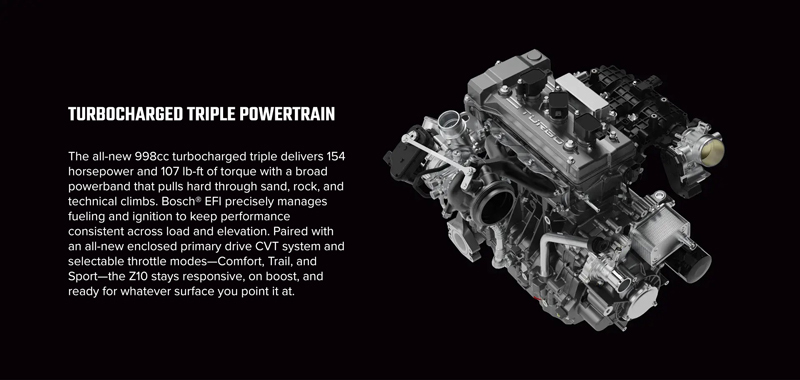
An Automotive-Inspired Powertrain
The Z10 introduces CFMOTO’s first turbocharged three-cylinder engine, producing a claimed 154 horsepower. More importantly, the development approach mirrors what you would expect from a performance automotive platform.
Key elements include:
- Forged internal components
- Bosch ECU integration and calibration
- Power delivery tuned to match the chassis
The focus here was not just peak output, but how that power translates to drivability and overall vehicle balance.
Reworking Cooling and Visibility
One of the more notable engineering decisions on the Z10 is the relocation of the cooling system.
Instead of a traditional front-mounted setup, CFMOTO moved the radiators to the rear of the vehicle.
This approach addresses multiple areas at once:
- Reduces heat transfer into the cabin, especially in high-temperature riding environments
- Allows for a more compact front-end design
- Improves forward visibility by lowering the dash and front profile
Better sight lines to the front tires provide more precise vehicle placement, particularly in technical terrain. While rear-mounted cooling systems are more complex to execute, the trade-off here was improved comfort and control.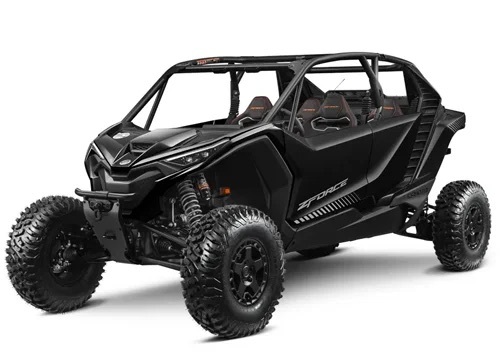
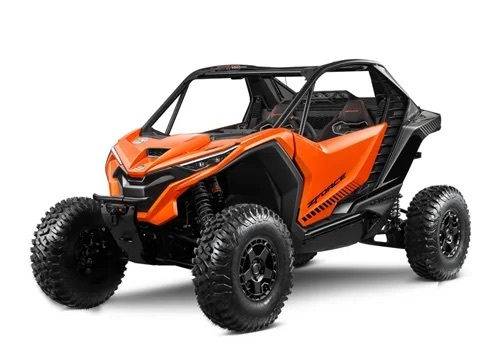
Refined Ergonomics Across Driver Sizes
The Z10 was designed to accommodate a wide range of drivers, from approximately 5 foot 4 to 6 foot 7.
Achieving that range required detailed refinement throughout the cockpit:
- Steering wheel position and adjustability
- Control placement and accessibility
- Overall driver seating position
The team emphasized iterative adjustments, often moving components in small increments to improve comfort and usability.
The result is a cockpit that feels more aligned with automotive design, with key controls integrated directly into the steering wheel, including start and stop functionality as well as suspension and drive mode adjustments.

Built for Long-Term Durability
Durability was a central focus throughout development.
CFMOTO describes the platform as intentionally overbuilt, with the understanding that long-term reliability is a primary concern for most riders.
Notable construction features include:
- One-piece welded ROPS structure rather than bolted sections
- Additional A-plus pillar for increased structural support
- Dual shear mounting points throughout the suspension system
These decisions increase strength and rigidity, particularly under load and in harsh terrain conditions. While this approach adds weight and cost, it aligns with the goal of delivering a platform that maintains performance over extended use.
Electronically Adjustable Suspension
The Z10 is equipped with FOX QSE electronically adjustable shocks.
The system offers three selectable modes:
- Soft
- Medium
- Firm
This allows drivers to adapt the suspension setup to different riding conditions in real time. Whether navigating slower technical terrain or pushing through higher-speed sections, the adjustability adds flexibility without requiring manual changes.

Integration of Proven Components
Alongside in-house engineering, the Z10 incorporates components from established suppliers.
These include:
- FOX suspension systems
- ITP tires
- Bosch electronic systems
This combination reflects an effort to balance new platform development with components that have a proven track record in the industry.
From UTV Source’s perspective, what stands out most about this behind-the-scenes look is how intentional the Z10 appears to be.
This was not built around a single headline feature. Instead, CFMOTO USA focused on solving real rider concerns, improving driver confidence, refining ergonomics, and building durability into the platform from the start.
That level of thoughtfulness sets a strong foundation.
As an aftermarket company, we are especially excited to see how this platform evolves. With the Z10 entering the sport UTV segment in a meaningful way, it opens the door for manufacturers to step in with accessories, upgrades, and performance parts that take the platform even further.
It will be interesting to watch how quickly the aftermarket responds, and how this machine grows once riders start making it their own.