Polaris Ranger XP 1000 Complete Accessories & Build Guide
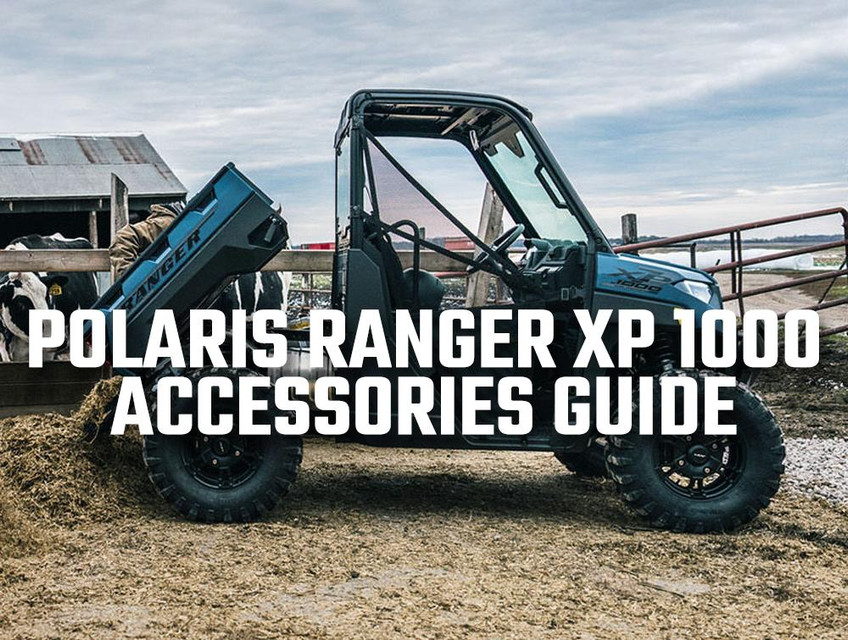
The Ranger XP 1000 is the workhorse of the Polaris lineup — 82 hp, 2,500-lb towing capacity, 1,000-lb bed capacity, and a chassis that absorbs more abuse than any RZR ever will. But that versatility is also the problem when you're shopping accessories. A trail-focused build loaded with rock lights and whips is wasted money on a ranch rig, and a plow setup on a dedicated hunting buggy just adds weight and noise.
This guide is organized by how you actually use the machine — work, hunt, trail — instead of dumping every product category into one list. Pick the build that matches your use case, then layer in the universal upgrades (cab, lighting, recovery) that apply to every Ranger.
Ranger XP 1000 Platform Overview
Before you start buying parts, know which Ranger you have. The XP 1000 platform spans several trims, and accessory fitment varies between 2-seat, Crew (4-seat), and NorthStar (factory cab) variants.
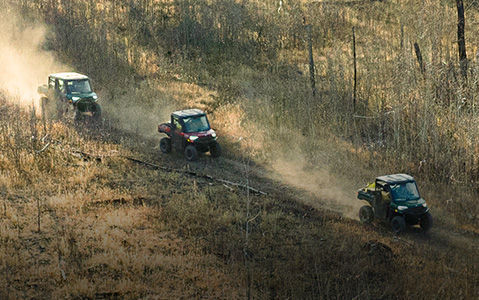
Trim Differences That Affect Fitment
- Ranger XP 1000 (base/Premium): Steel cage, open cab. Widest accessory compatibility.
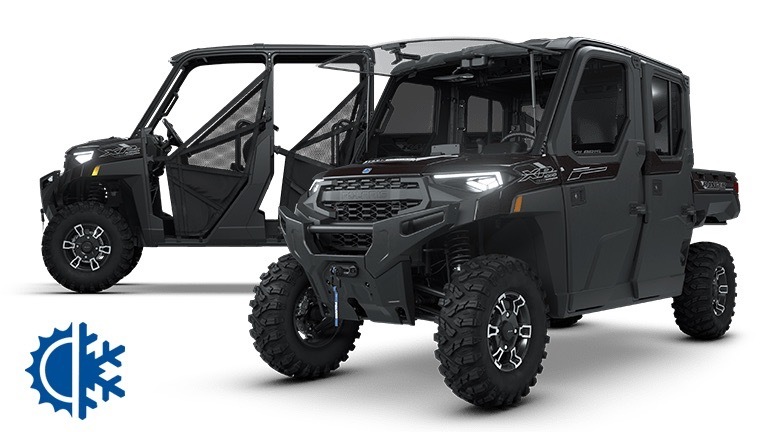
- Ranger XP 1000 Crew: Longer wheelbase (117" vs 81"). Skid plates, nerf bars, and cab enclosures are Crew-specific.
- Ranger XP 1000 NorthStar Ultimate: Factory HVAC cab with glass doors. Most soft enclosures don't apply. Audio and interior accessories still fit.
- Ranger XP 1000 Trail Boss / High Lifter: Taller suspension, 29"-30" tires from factory. Plan your tire upgrades accordingly.
- Ranger XP Kinetic: Electric. Exhaust and engine accessories don't apply. Most bolt-ons do.
Model year matters too. 2018+ XP 1000s share most accessory fitment, but pre-2018 Rangers (XP 900-based) use different mounting points for winches, bumpers, and cab components. Always verify year and trim before ordering.
Key Specs to Remember When Building
- Curb weight (2-seat): ~1,650 lbs dry
- Curb weight (Crew): ~1,900 lbs dry
- Towing: 2,500 lbs
- Bed capacity: 1,000 lbs
- Ground clearance: 13" (12" on base, 14" on Trail Boss)
- Factory tire size: 27" (base), 29" (Trail Boss), 30" (High Lifter)
The Work / Utility Build
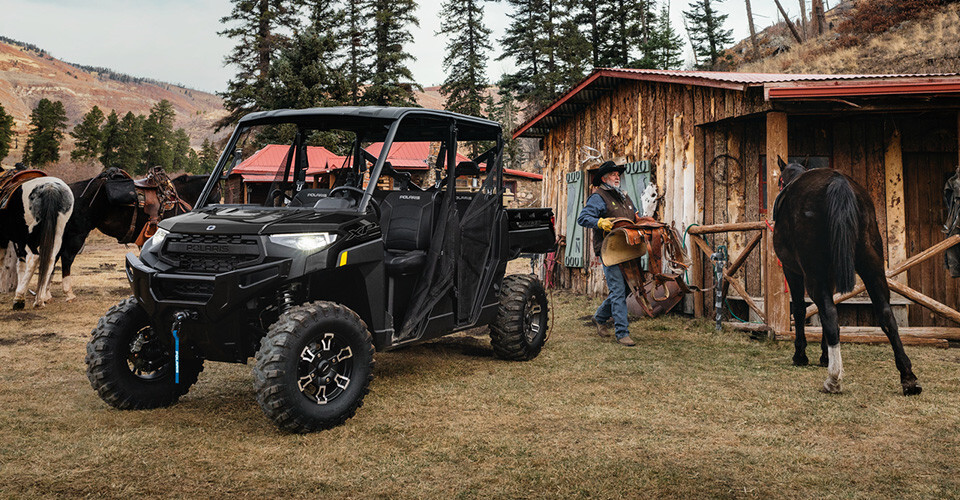
If your Ranger spends its life pulling implements, moving hay, plowing driveways, or working a jobsite, every accessory should earn its weight. This is the build where you skip the whips and spend the money on steel.
Winch: Size for the Work, Not the Weight
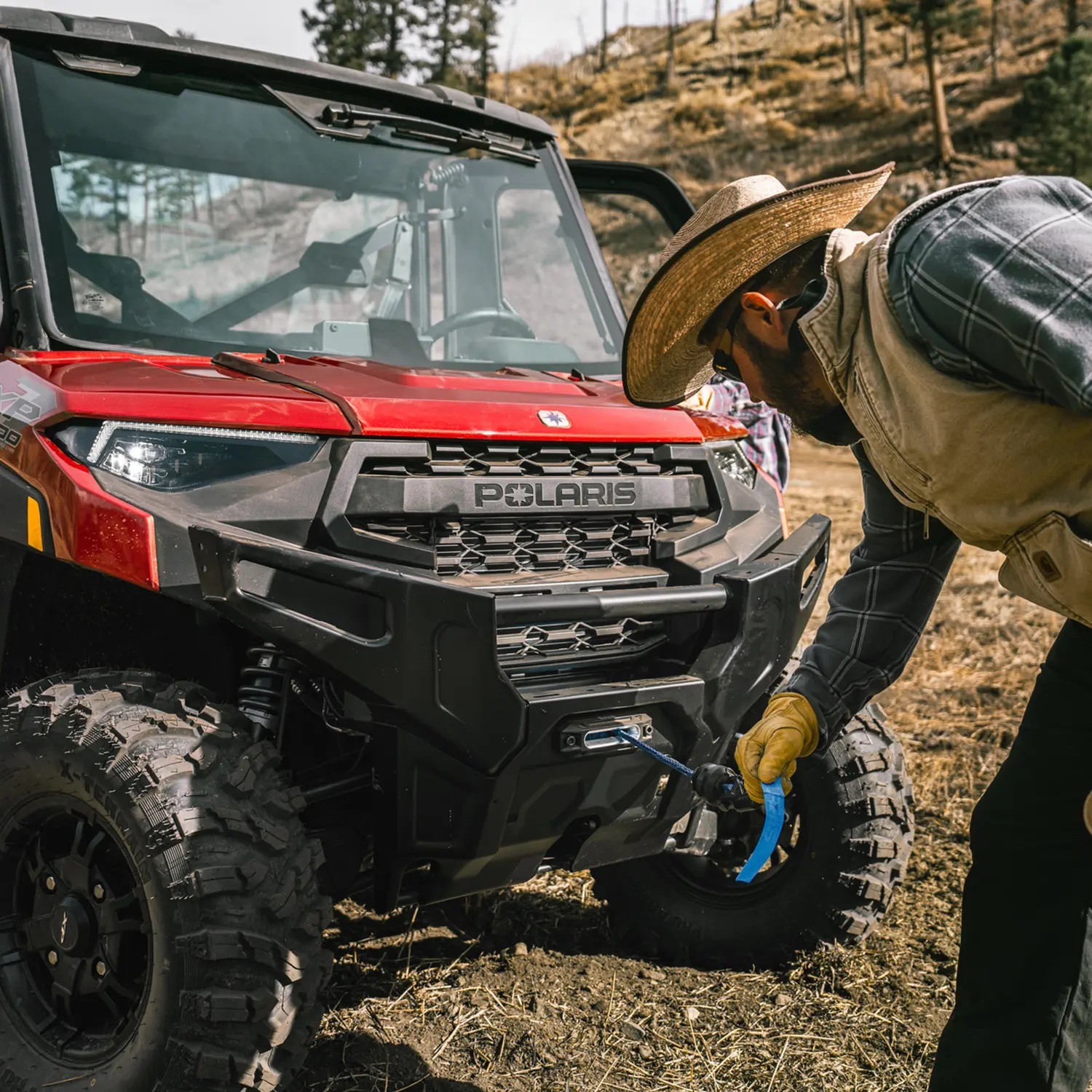
The old rule of thumb — 1.5x vehicle weight — is the bare minimum. For a Ranger XP 1000 (Crew especially), a 4,500-lb winch is entry-level. If you're pulling stuck trailers, dragging deadfall, or snow plowing, step up to 5,000-6,000 lbs.
- 4,500-lb: Light utility, occasional self-recovery. Fine for 2-seat Rangers on dry ground.
- 5,000-lb: Sweet spot for most Crew owners. Handles plowing and towing recovery.
- 6,000-lb+: Mud, heavy plow work, dedicated recovery rigs.
Synthetic rope is the right call for a utility build. It's safer when it fails, lighter, and easier to repair in the field. Steel cable has a place on rock-bashing rigs where abrasion is a concern, but on a work machine synthetic wins. Browse the full UTV winch selection filtered by pull rating.
Plow Systems
Two main plow styles fit the Ranger XP 1000:
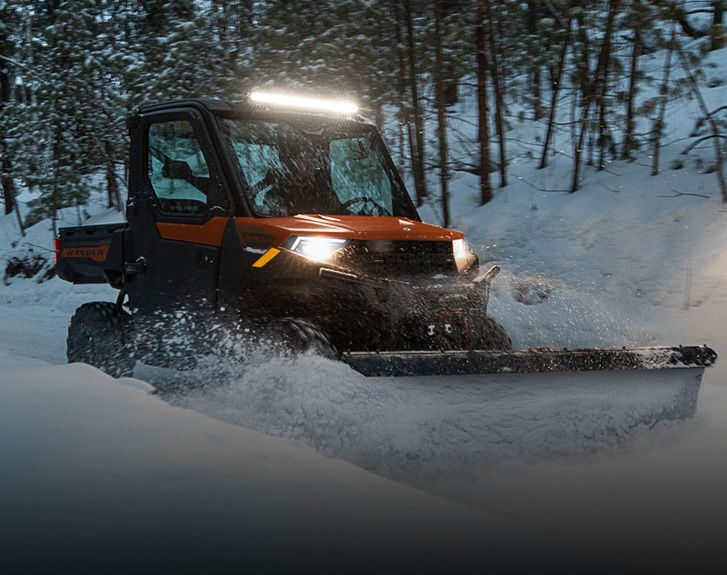
- Push-frame plows (front-mount): KFI, Moose, WARN ProVantage. Steel blade, manual or powered lift/angle. Best for driveways, parking lots, and flat terrain.
- V-plows: Better for deep snow and windrowing. More money, more weight on the nose.
Blade width for a Ranger should be 66"-72". Anything narrower leaves tire tracks uncovered. If you're running a Crew, you'll want a 72" minimum.
Power angle kits are worth the upcharge. Manually dismounting to swing a blade gets old by the third driveway. See the full plow and blade catalog for fitment.
Cargo & Bed Accessories
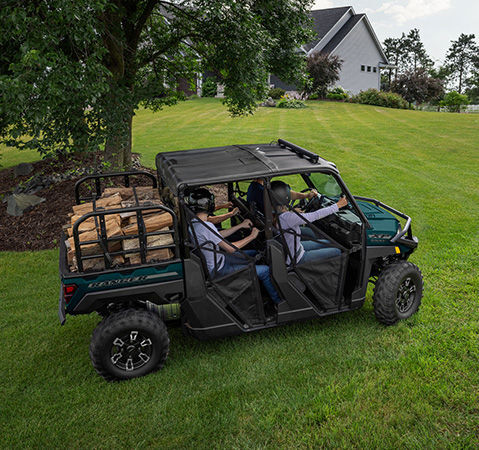
The Ranger's 1,000-lb dump bed is the feature. Protect it and extend it.
- Bed liners: Spray-in or drop-in. Saves the factory paint from fertilizer, fuel cans, and firewood.
- Cargo racks / bed extenders: Double your bed footprint for hauling long items like lumber or ladders.
- Tool boxes / under-seat storage: Locking storage for tools, chainsaws, and valuables.
- Gun/tool racks in the bed: Keeps hand tools (shovel, chainsaw, rifle) vertical and accessible.
Front and rear receiver hitches aren't standard on every trim — verify before buying a ball mount. A 2" front receiver lets you run a front-mount cargo basket or spare tire carrier, which frees up bed space on work days.
The Hunting Build
A hunting Ranger is a different animal. Sound, scent, and stealth matter more than horsepower. Priority is quiet operation, secure gun transport, and the ability to run dark when you need to.
Gun & Bow Mounts
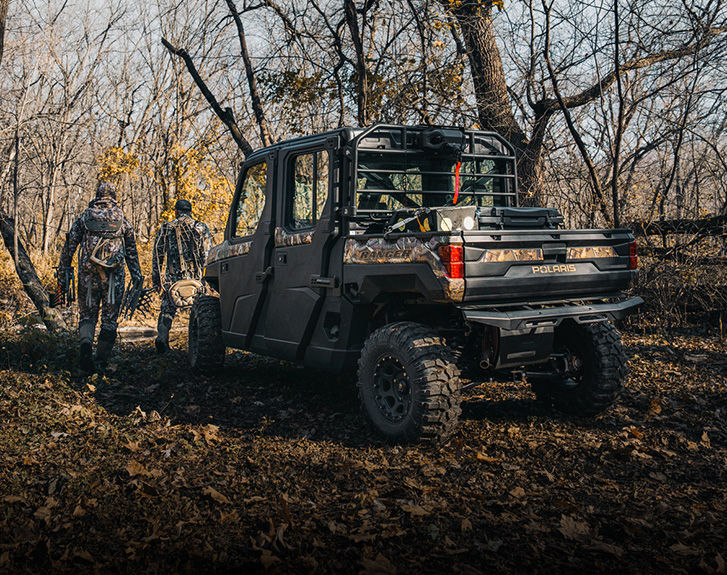
Overhead gun racks (Kolpin, Great Day Power-Ride, QuickDraw) mount to the cage and keep long guns out of the dust. Dash-mount and door-mount options work if you're running a full cab.
- Overhead racks: Two-gun capacity, cage-mounted, fastest to access.
- Bed-mount gun boots: Protected scabbards for rough trails.
- Bow mounts: Padded cradles, usually dash or cage mounted.
If you're hunting with buddies, a 2-gun overhead rack plus a bed-mounted scabbard covers a full party.
Quieter Exhaust
Stock Ranger exhaust is already quieter than most sport UTVs, but there's still room. Aftermarket "quiet core" or hunting-specific exhaust systems (Gorilla Silent Rider, Benchmark Performance) drop decibel levels 3-6 dB over stock. That's a meaningful difference when you're easing into a food plot at first light.
Avoid any "performance" exhaust on a hunting build — louder is the opposite of what you want. Look for systems specifically marketed as quiet, stealth, or hunter-series.
Camo Wraps, Skins, and Dip
Full vinyl wraps, body skins (Mossy Oak, Realtree, Kryptek patterns), and hydro-dip panels are the three routes. Skins are reusable and removable — best for leased land hunters who want the rig stock again for resale. Wraps last 3-5 years. Dip is permanent.
Don't forget cage wraps and wheel covers. A camo body with black wheels and a bare steel cage still flashes at 100 yards.
Hunting-Specific Lighting
- Red/green aux lights: Preserve night vision, spot eyes without spooking deer/hogs.
- Switchback LED bars: White for travel, amber/red for glassing.
- Low-profile pod lights: Avoid tall light bars that silhouette you on a ridgeline.
Check the UTV lighting category for color-specific options.
Scent and Noise Dampening
Rubber floor mats over carpet, cab enclosures to contain engine heat/scent, and aftermarket seat covers that don't trap odor all help. If you're serious, run the Ranger through a scent-free wash before season and store it covered.
The Trail / Recreation Build
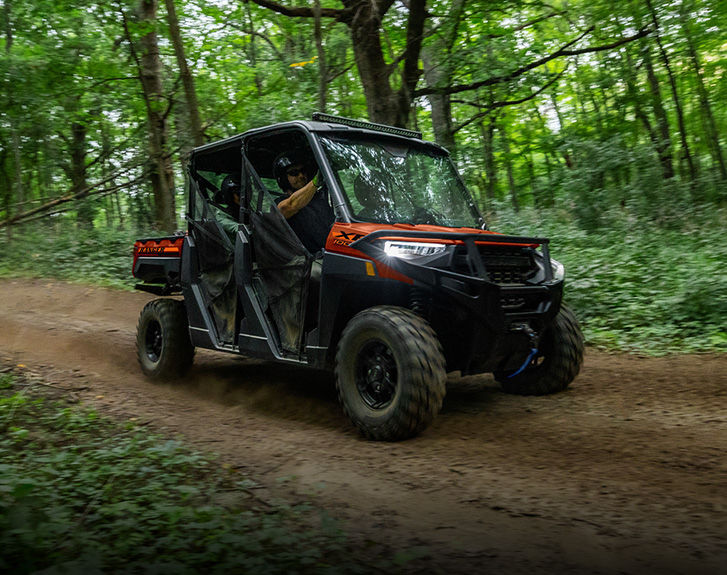
Trail Rangers are the minority — most buyers chose a Ranger specifically because it's not a sport machine. But if you're running forest service roads, moderate rock trails, or dune edges, there's a legitimate recreation build here.
Tires and Wheels
Factory Ranger tires are utility-biased — hard compound, low void. For trail use:
- 27"-29" all-terrain: Carlisle Trail Pro, GBC Dirt Commander. Better cornering, still durable.
- 28"-30" mud tires: ITP Mega Mayhem, System 3 XM310. If you're crossing creeks and mud holes.
- 30"-32" tires: Only if you've lifted or you own a Trail Boss/High Lifter. Stock XP suspension and clutching aren't happy with 32s.
Going bigger than 30" means a clutch kit is mandatory, not optional. You'll cook belts otherwise. The tire and wheel category has fitment filters by model year.
Lighting for Trail Use
Unlike the hunting build, trail riders want visibility and presence.
- 30"-40" light bar: Roof or hood mounted, combo beam.
- Ditch lights: A-pillar mounted pods for corner illumination.
- Chase lights: Amber/red rear for dust visibility when riding in groups.
- Rock lights: Under-body RGB for night camp scenes (skip these on a work rig).
Suspension Tuning
Base Ranger shocks are tuned for load carrying, not corner carving. Aftermarket shocks (Walker Evans, Fox Podium, Elka Stage) give you rebound adjustability and better high-speed compliance. A set of adjustable shocks on a Ranger used 70% trail / 30% work is a legitimate upgrade.
Audio
See the dedicated audio section below — a trail Ranger without music is a missed opportunity.
Cab Enclosure & Weather Protection
The Ranger's factory cab options range from fully open to the NorthStar Ultimate's climate-controlled setup. If you're in between, here's what matters.
Enclosure Tiers
- Soft cab (canvas/vinyl): Full doors, rear panel, soft top. Bestop, Seizmik. Cheapest, easy to remove seasonally.
- Hard cab (poly roof + hard doors): Better insulation, quieter. Most popular for year-round riders.
- Glass windshield + wiper: The upgrade that matters most. Full tilt glass with a 12V wiper is worth every dollar if you ride in rain or snow.
- Heater kits: 12V cab heaters pull from coolant. Genuine game-changer (yes, we said it) for cold-weather work.
Windshield Options
- Full glass: Quietest, most durable, heaviest. DOT-grade with defroster wire if you're adding a heater.
- Hard-coat poly (Lexan): Lighter, shatter-resistant, scratches easier.
- Half windshield: Airflow without eating bugs. Best for warm-weather hunters.
- Tilting / flip-up: Compromise between full and half. Flip it up on hot days, down when it rains.
Doors and Rear Panels
Factory Ranger doors are steel lower halves. Aftermarket upper door kits, full-glass doors, and bed dust panels seal the cab. A rear dust panel is the single biggest improvement for interior cleanliness on a Ranger — the bed-to-cab gap is where everything blows in.
Audio & Communication
Audio on a Ranger is split between two use cases: jobsite radio, and trail/camp system. Both start with the same hardware; the difference is speaker count and amp power.
Sound Bars vs. Component Systems
- Overhead sound bars: MTX, Bazooka, Kicker. Bolt to the cage, self-contained amp, Bluetooth. Easiest install, 90-minute job. Good for 2-seat Rangers.
- Component systems: Separate head unit, amp, 4-6 speakers, sub. Better sound, more money, more wiring. Worth it on a Crew where you need rear-seat coverage.
- Subwoofers: Under-seat or bed-mount enclosed subs. Skip on a work build; mandatory on a trail build.
Wire gauge matters. A 400-watt system needs a 4-gauge power wire and a proper fused distribution block. Don't tap the accessory bus.
Communication
If you ride in groups, a helmet intercom (Rugged Radios, PCI) or handheld GMRS/CB beats yelling across the cab. Most Ranger cab setups leave enough overhead real estate for an intercom box and antenna mount.
Lighting Upgrades — Chase, Whip, Rock
Lighting deserves its own section because it's where most Ranger owners overbuild and underwire.
Primary Lighting
- Headlight upgrades: LED conversion bulbs or full replacement assemblies. Factory halogens are adequate but yellow.
- Light bars: 30"-40" for roof, 20"-22" for hood/bumper. Combo beam (spot + flood) is the most versatile single-bar choice.
- Ditch/A-pillar pods: 3"-4" cubes mounted to the A-pillar or cage base. Fill in the near-field.
Auxiliary and Visibility Lighting
- Chase lights: Rear-facing amber/red, visible in dust. Required by rules at some riding areas.
- Whip lights: 4-6 ft fiberglass whips with LED cores. Dunes and desert only — overkill for work/hunt builds.
- Rock lights: Under-body RGB pods. 8-pod kit covers a Ranger with even light.
- Bed lights: Dome or strip LEDs inside the bed. Underrated upgrade for anyone who loads/unloads at dusk.
Wiring It Right
Running a light bar, two pods, chase lights, and rock lights off a single 30A circuit is how you find yourself stranded at a trailhead with melted wire. Use a proper switch panel (sPOD, Switch-Pros, or a basic 6-switch rocker panel) with individually fused circuits. The light bar section includes wiring kits with relays and fuses sized correctly.
Recovery & Storage
A winch is recovery gear, but it's only the start. A complete recovery kit saves a day's ride.
Recovery Essentials
- Tree saver strap: 3" wide, 8-10 ft. Never wrap synthetic winch line directly around a tree.
- Snatch block / pulley: Doubles winch pulling power or redirects pull angle.
- D-ring shackles or soft shackles: 3/4" minimum. Soft shackles are lighter and safer.
- Kinetic recovery rope: 7/8" x 20 ft. Replaces tow straps for stuck recoveries.
- Gloves, winch damper, trail saw: Round out the kit.
A gear bag under the seat or in a rear cargo box keeps everything together. Browse recovery gear for complete kits.
Storage Solutions
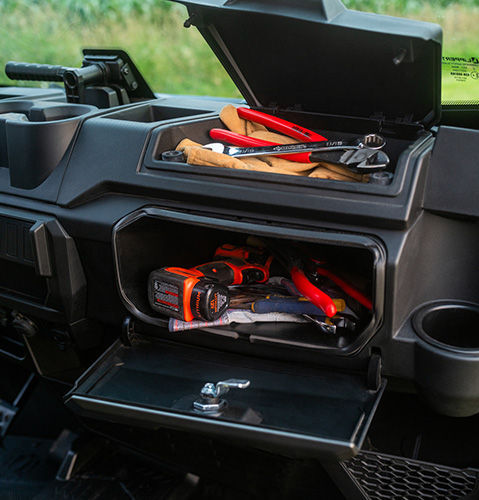
- Under-seat storage: Lockable bins that replace or supplement factory compartments.
- Overhead storage bags: Cage-mounted soft bags for maps, gloves, small tools.
- Rear cargo boxes: Hard cases that bolt to the bed for tools or hunting gear.
- Door bags: Mesh or canvas pockets on the inside of factory doors.
Maintenance Parts & Service Kits
The Ranger XP 1000's ProStar 1000 twin is durable but not maintenance-free. Running accessories and loaded work days accelerate wear on belts, filters, and fluids.
What to Stock
- Drive belt: OEM or Gates/Dayco heavy-duty. Keep a spare in the bed.
- Air filter: Replace every 50 hours in dusty conditions, not the 100-hour manual interval.
- Oil and filter: Polaris PS-4 or equivalent synthetic. Change every 50-100 hours.
- Spark plugs: NGK OEM spec, replace every 200 hours.
- Gearcase oil: Front and rear diff, transmission. Change annually or every 100 hours.
- Coolant: Every 5 years or 500 hours, whichever first.
Upgraded Service Parts
- Clutch kits: Required if you're running 30"+ tires. EPI, Dalton, Aftermarket Assassins.
- Heavy-duty belts: Gates G-Force C12 is the go-to for worked Rangers.
- Radiator relocation kits: Moves the radiator to the roof — mandatory for mud/water riders, nice-to-have for everyone else.
- Prefilter / snorkel kits: Outerwears prefilter on the airbox inlet is cheap insurance.
Shop Ranger Maintenance Products
Don't Skip CV Boots
The Ranger's CV boots are the #1 failure point. Inspect every 25 hours. A split boot runs $20; a trashed axle runs $200+. Keep a tube of CV grease and spare boot clamps in your service kit.
Putting It Together: Sample Builds
Three example parts lists, from conservative to loaded.
Ranch Build (~$2,500)
- 4,500-lb synthetic winch with mount plate
- 66" steel plow with power angle
- Spray-in bed liner
- Soft cab with half windshield
- Two overhead LED pods + one 20" light bar
- Basic recovery kit
Hunt Build (~$3,500)
- 4,500-lb winch
- Full camo skin kit + wheel covers
- Quiet-series exhaust
- Overhead 2-gun rack + bed scabbard
- Red/amber aux lighting
- Hard cab with full glass windshield + wiper
- Under-seat locking storage
Trail Build (~$4,500)
- 4,500-5,000-lb winch with synthetic line
- 29" all-terrain tires + aftermarket wheels
- EPI clutch kit
- 40" combo light bar + A-pillar pods + rock lights + chase lights
- Overhead sound bar with Bluetooth
- Adjustable aftermarket shocks
- Full recovery kit with kinetic rope
Frequently Asked Questions
What winch size do I need for a Ranger XP 1000?
4,500 lbs is the minimum for a 2-seat. For a Crew or any Ranger that plows or tows/recovers, 5,000 lbs is the right call. Synthetic rope is standard on modern UTV winches and is the better choice for most users.
Will RZR accessories fit my Ranger XP 1000?
Rarely. The chassis, cage dimensions, and mounting points are different. A few universal items (spot lights, rock lights, handheld radios) cross over, but winches, bumpers, cab components, and skid plates are Ranger-specific. Always filter by Ranger XP 1000 and your model year.
Can I run 30-inch tires without a lift?
On a base XP 1000, you can fit 29-30" tires with minor trimming but you'll want a clutch kit to avoid cooking belts. Trail Boss and High Lifter trims come with 29-30" from the factory. 32"+ requires a lift and portal gears or a full drivetrain upgrade.
What's the quietest exhaust for hunting?
Look specifically for "quiet core," "silent rider," or "hunter series" exhausts from brands like Gorilla Silent Rider and Benchmark. Expect a 3-6 dB reduction over stock. Avoid anything marketed as performance or sport.
Do I need a clutch kit when I add accessories?
Not for most accessories. A clutch kit is needed when you change tire size (going up more than 1") or ride at high elevation. Plows, winches, cab enclosures, and lighting don't require clutch tuning.
How often should I replace the drive belt on a Ranger XP 1000?
Inspect every 50 hours, plan to replace every 200-300 hours under normal use. Heavy plowing, towing, or mud riding cuts that interval in half. Always carry a spare belt and the tools to change it in the field.
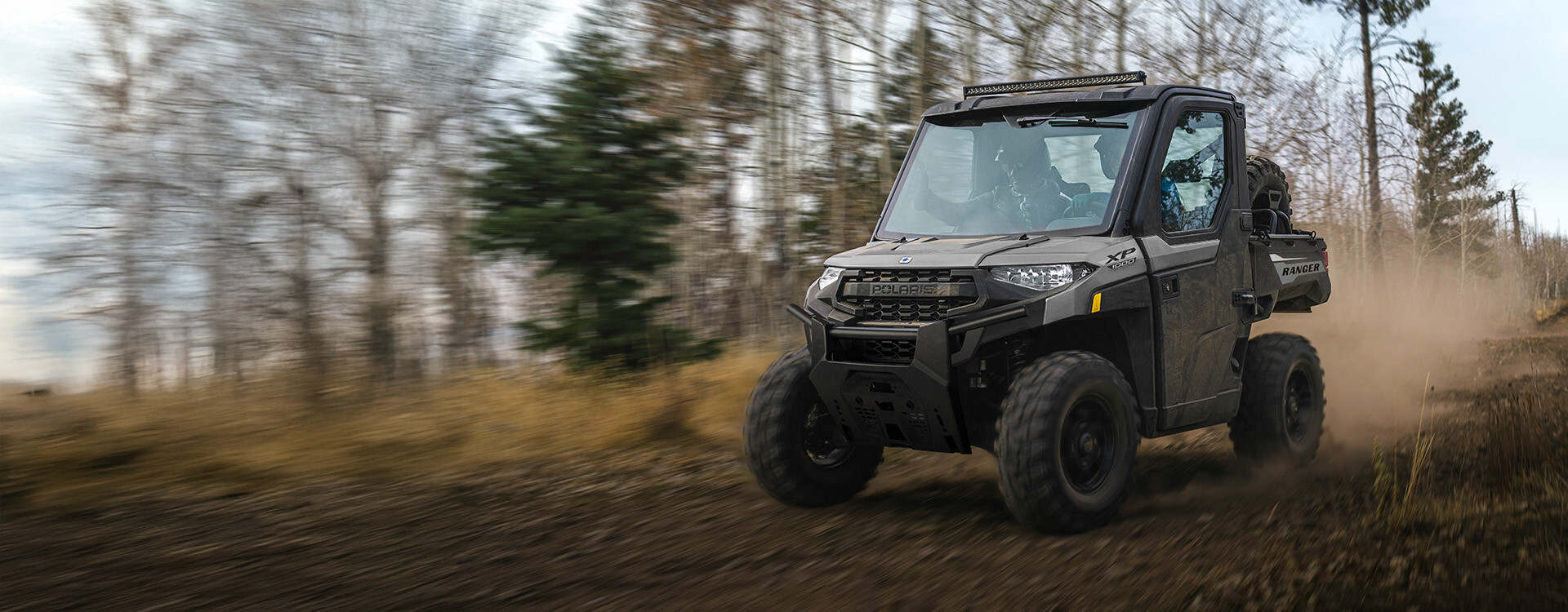
The Ranger XP 1000 is the most flexible UTV platform Polaris builds, which means the temptation is to accessorize it for every scenario at once. Don't. A work Ranger loaded with rock lights and whips is heavier, noisier, and less effective at work. A hunting Ranger with a roof-mount 40-inch light bar is silhouetted against the skyline before the deer ever hear you.
Pick your primary use case, build for that, and layer in universal upgrades (recovery gear, service parts, cab basics) that apply regardless. A focused Ranger does its job better than a jack-of-all-trades rig loaded with every category.